Iran's Rhetoric Escalates, Targeting Bahrain and Kuwait Amidst US Strikes
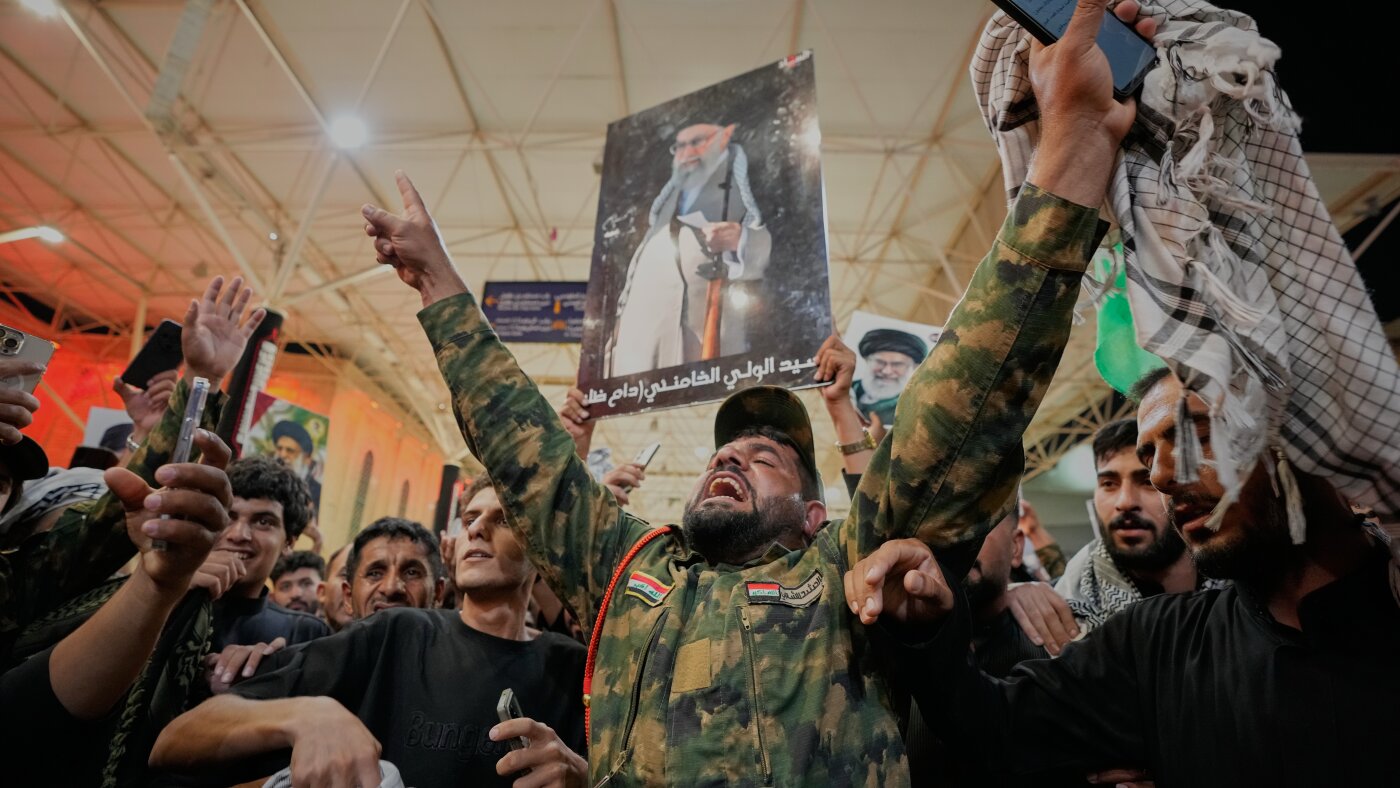
Following recent US strikes, Iran has intensified its rhetoric by targeting Bahrain and Kuwait. This escalation in regional tensions raises concerns that a fragile interim agreement aimed at halting the ongoing war could collapse. The breakdown of such an agreement would significantly increase the risk of a broader conflict erupting across the Middle East. The situation highlights the delicate balance of power and the potential for localized actions to trigger widespread instability in the region. International observers are closely monitoring developments, fearing a domino effect that could draw in more nations. The interconnectedness of regional security means that actions taken by one state can have far-reaching consequences for its neighbors and beyond. The potential for a wider conflict underscores the urgent need for de-escalation and diplomatic solutions.
The heightened rhetoric from Tehran, directed at Bahrain and Kuwait following US military actions, signifies a strategic maneuver to broaden the scope of regional grievances. This approach may aim to consolidate domestic support or project strength by linking perceived external aggression to regional allies. However, such broad-brush accusations risk alienating potential diplomatic partners and could inadvertently strengthen the resolve of adversaries by creating a perception of unified opposition. The potential breakdown of an interim agreement underscores the inherent fragility of ceasefires in complex geopolitical environments, where de-escalation efforts are often overshadowed by retaliatory posturing. Future conflict prevention may hinge on establishing more robust verification mechanisms and fostering direct communication channels, rather than relying on agreements vulnerable to external shocks and strategic signaling.
AI-generated to prompt reflection — not editorial opinion, not advice, not a statement of fact. How this works.