Iran's Rulers Mobilize Mourners Amidst Lingering Discontent
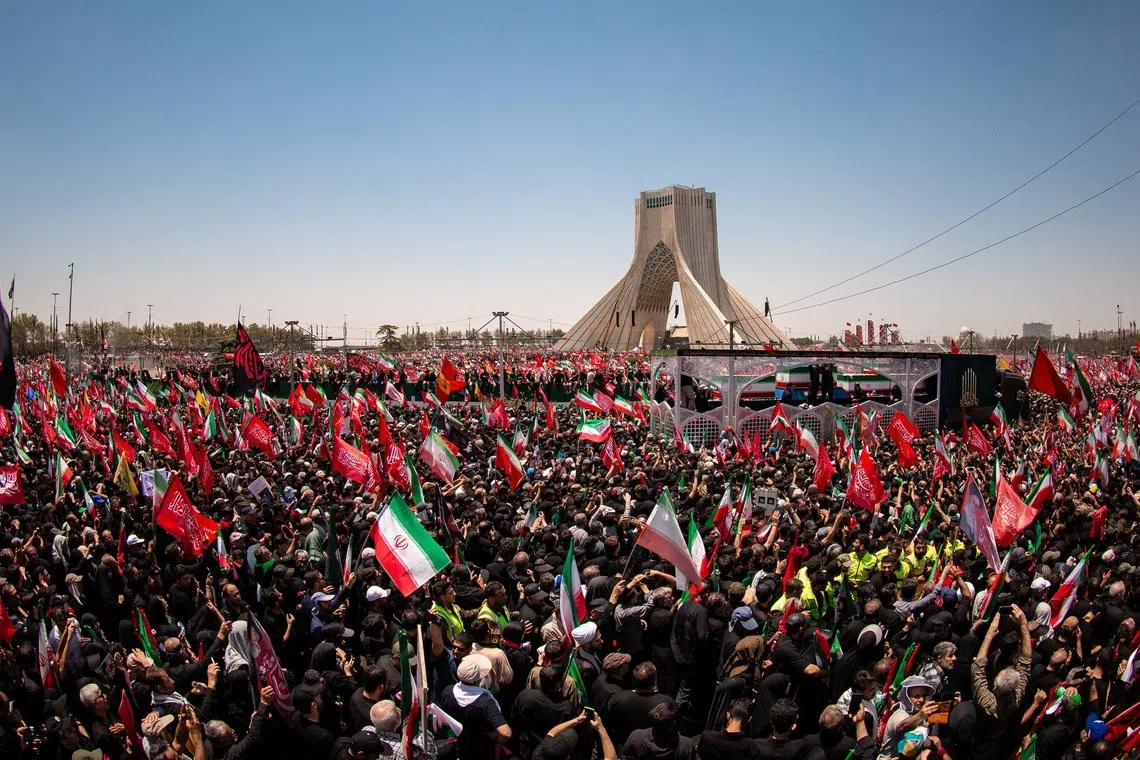
Iran's theocratic leadership is organizing large public gatherings in Tehran to mourn Ayatollah Ruhollah Khomeini. These displays are intended to project an image of national unity and support for the ruling system. However, beneath the surface of these organized events, significant internal divisions persist. Key among these are ongoing disagreements concerning the country's economic performance and the extent of state repression. The government faces the challenge of addressing these deep-seated fractures despite its efforts to consolidate public support through orchestrated commemorations. The mobilization of crowds for mourning events highlights the regime's reliance on symbolic displays to counter underlying societal tensions and economic hardships.
The Iranian government's strategy of mobilizing mass public gatherings for mourning events aims to project an image of national unity and regime legitimacy. This approach seeks to counter internal dissent and external pressures by showcasing popular support, a tactic often employed by states facing economic challenges and social discontent. However, the underlying economic issues and concerns over state repression remain significant structural challenges. The regime's reliance on symbolic displays may provide short-term cohesion but does not inherently resolve the systemic issues driving public dissatisfaction. Future stability will likely depend on the government's capacity to implement effective economic reforms and address grievances related to governance and civil liberties, rather than solely on orchestrated public demonstrations.
AI-generated to prompt reflection — not editorial opinion, not advice, not a statement of fact. How this works.