Iran's Shadow Fleet Plan to Evade US Strait of Hormuz Blockade
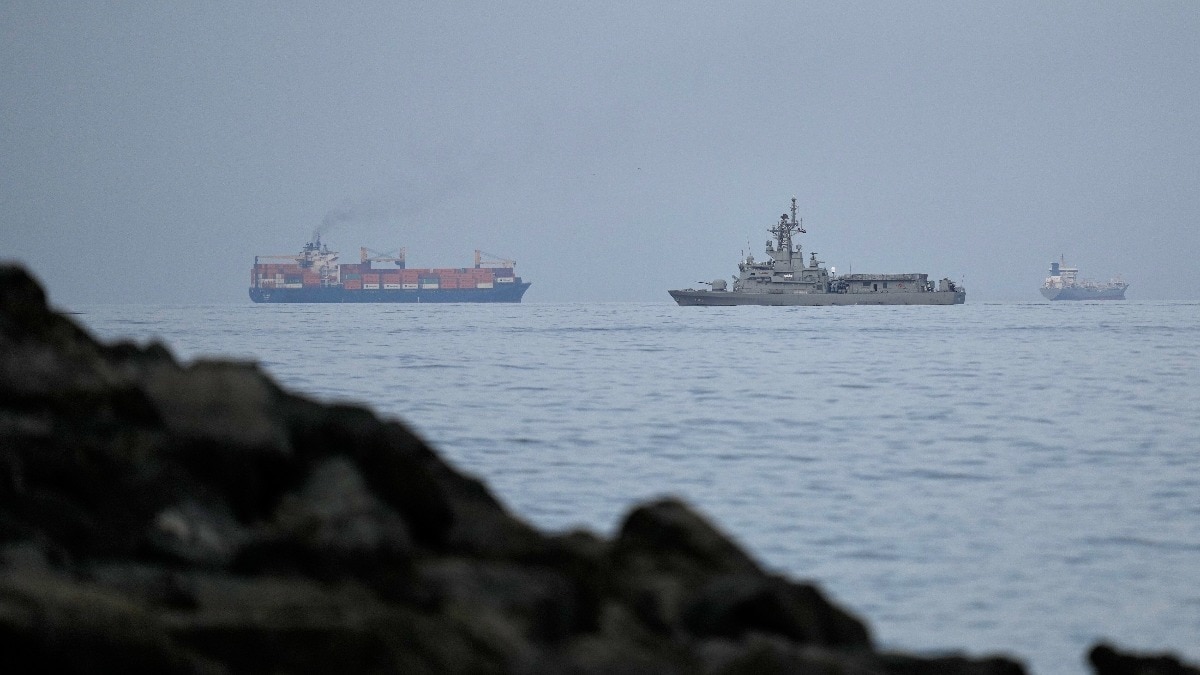
Iran is preparing to circumvent the United States' naval blockade at the Strait of Hormuz by utilizing a "shadow fleet." The US has deployed naval forces to enforce the blockade, prompting Iran's counter-strategy. Reports indicate that 23 Iranian vessels have disabled their tracking systems and are operating covertly. These ships are expected to use false flags to disguise their identity and navigate through the Strait of Hormuz, thereby continuing their crude oil exports despite the US presence. This maneuver aims to bypass the blockade and maintain Iran's economic lifeline through oil sales.
The deployment of naval forces by the US to blockade the Strait of Hormuz presents a significant geopolitical and economic challenge for Iran. Iran's reported strategy of employing a "shadow fleet" with disabled tracking systems and false flags highlights the complex, often opaque, dynamics of international maritime trade and sanctions evasion. This approach, while potentially allowing Iran to continue oil exports, introduces considerable risks, including increased potential for misidentification, accidental confrontation, and heightened international scrutiny. The situation underscores the persistent tension between global powers enforcing sanctions and nations seeking to maintain economic activity through unconventional means, a dynamic likely to persist as energy security and geopolitical influence remain paramount concerns.
AI-generated to prompt reflection — not editorial opinion, not advice, not a statement of fact. How this works.