Iran's Strait of Hormuz Dilemma: Three Risky Paths Amidst Shifting Power
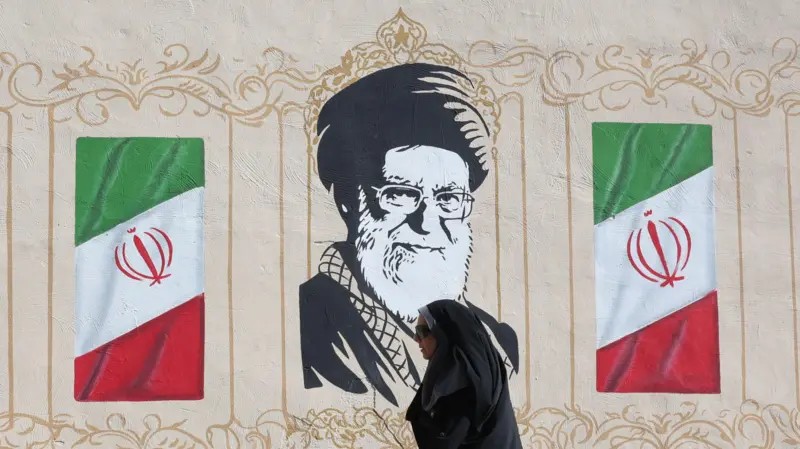
Iran faces a critical juncture regarding the Strait of Hormuz, with leaders contemplating three precarious options after a period of exchanges with the United States. The first involves conceding to U.S. demands: ensuring free passage, reducing enriched uranium stockpiles, and accepting intrusive nuclear inspections. In return, Iran seeks an end to the U.S. naval blockade, sanctions relief, and guarantees against further attacks. While materially less costly, this path is politically fraught, potentially sacrificing leverage gained from demonstrating the ability to impose immediate global economic costs. The second option is escalation, involving intensified attacks on U.S. bases and Gulf Arab infrastructure, aiming to disrupt energy markets and force a resolution. This carries the highest military risk, potentially drawing regional neighbors into a wider conflict. The third, and seemingly most aligned with the Islamic Republic's established mindset, is maintaining the current instability. This strategy involves exerting enough pressure on shipping and energy markets to preserve bargaining power without triggering full-scale war, with survival itself framed as victory. However, sanctions and internal pressures mount, creating a paradox where prolonged use of Hormuz as a weapon could diminish its importance if alternative trade routes emerge.
The situation at the Strait of Hormuz highlights the complex interplay of geopolitical leverage, economic pressure, and internal political dynamics within Iran. The Iranian leadership's strategic choices are constrained by the need to balance perceived national sovereignty and deterrence capabilities against the severe economic consequences of international sanctions and the risk of military escalation. The shifting internal power balance, particularly following the death of Ayatollah Ali Khamenei and the potential rise of his son Mojtaba, introduces uncertainty into decision-making processes. Different factions—pragmatists, hardliners, and the Revolutionary Guard—may prioritize diverging objectives, making a unified and predictable response unlikely. From a systems perspective, the reliance on controlling a vital global chokepoint as a primary tool of influence presents a long-term vulnerability. As global trade and energy infrastructure evolve, alternative routes and technologies could erode the strategic value of Hormuz, forcing a re-evaluation of Iran's leverage. The challenge for Iran lies in navigating immediate pressures without undermining its future strategic position.
AI-generated to prompt reflection — not editorial opinion, not advice, not a statement of fact. How this works.