Iran's Strategic Calculation: Limited Conflict as a Tool Against US Pressure
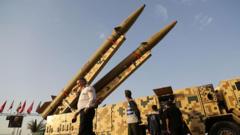
Iran may be strategically opting for limited conflicts as a means to exert sustained pressure on the United States without escalating to an all-out war. This approach suggests a belief within Iran that such controlled confrontations can achieve specific objectives while mitigating the risks associated with a full-scale military engagement. The strategy appears to be a calculated effort to balance the desire for deterrence and regional influence against the imperative of avoiding catastrophic conflict. By carefully managing the scope and intensity of hostilities, Iran might aim to demonstrate its resolve and capabilities, thereby influencing US policy and regional dynamics. This approach implies a sophisticated understanding of escalation ladders and a commitment to maintaining a degree of control over the conflict's trajectory. The ultimate goal seems to be to extract concessions or achieve strategic advantages through persistent, yet contained, pressure.
This perspective frames Iran's actions as a deliberate strategic choice, suggesting a calculated risk assessment aimed at maximizing leverage against the US. It implies that Iran perceives a narrow band of conflict as a viable tool for achieving foreign policy objectives, potentially to influence negotiations or deter perceived threats, without triggering a full-scale military response. This approach highlights the complex interplay of deterrence, escalation management, and strategic signaling in international relations, particularly in asymmetric conflicts. The long-term viability of such a strategy depends on the accurate calibration of perceived risks and rewards, and the ability to maintain control over escalating dynamics in a volatile geopolitical landscape.
AI-generated to prompt reflection — not editorial opinion, not advice, not a statement of fact. How this works.