Iran's Strategic Calculus in the Strait of Hormuz
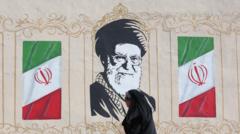
Following a ten-day exchange of attacks with the United States concerning control over the vital Strait of Hormuz waterway, Iranian leaders are reportedly facing three choices, none of which offers a clear path to victory. The original report does not detail these choices or the specific nature of the attacks exchanged. The Strait of Hormuz is a critical chokepoint for global oil transport, making its control a significant strategic objective for regional and international powers. Iran's actions in the region are often viewed through the lens of its broader geopolitical strategy and its relationship with the United States and its allies. The situation highlights the complex dynamics of maritime security and power projection in the Persian Gulf. Any escalation in this region carries substantial economic and security implications for the global community.
The situation surrounding the Strait of Hormuz presents a complex geopolitical challenge, where Iran's strategic interests in maintaining influence over a critical global energy chokepoint are weighed against potential international repercussions. The exchange of attacks, as described, suggests a high-stakes environment where diplomatic solutions may be strained. Examining Iran's decision-making process in this context requires an understanding of its long-term security objectives, domestic political considerations, and its perception of regional power balances. Future developments will likely hinge on the interplay between coercive diplomacy, economic sanctions, and the potential for de-escalation, all within the evolving landscape of global energy security and international relations.
AI-generated to prompt reflection — not editorial opinion, not advice, not a statement of fact. How this works.