Iran's Strategic Calculus in the Strait of Hormuz
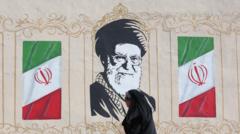
Following a ten-day exchange of attacks with the United States concerning control over the vital Strait of Hormuz waterway, Iranian leaders appear to be facing three options. None of these choices offer a clear path to victory. The situation highlights the strategic importance of the Strait of Hormuz, a critical chokepoint for global oil and trade. Iran's actions suggest a willingness to incur costs to maintain influence or assert control over this crucial maritime passage. The limited options available to Iran indicate a complex geopolitical environment where direct confrontation carries significant risks. The outcome of this standoff could have far-reaching implications for regional stability and international energy markets. The ongoing tensions underscore the delicate balance of power in the Persian Gulf.
The confrontation over the Strait of Hormuz presents a complex geopolitical challenge where Iran's willingness to bear costs for control of the waterway suggests a deep strategic imperative. This situation underscores the inherent tension between a state's desire to secure vital economic and strategic interests and the international community's interest in maintaining freedom of navigation and global trade stability. The limited options available to Iranian leadership, as described, point to the constraints imposed by international pressure and the potential for escalation. Future developments will likely hinge on the interplay of regional power dynamics, international sanctions, and the global demand for energy resources, necessitating careful diplomatic navigation to avoid wider conflict.
AI-generated to prompt reflection — not editorial opinion, not advice, not a statement of fact. How this works.