Iran's Strategic Leverage: The Bab el-Mandeb Strait
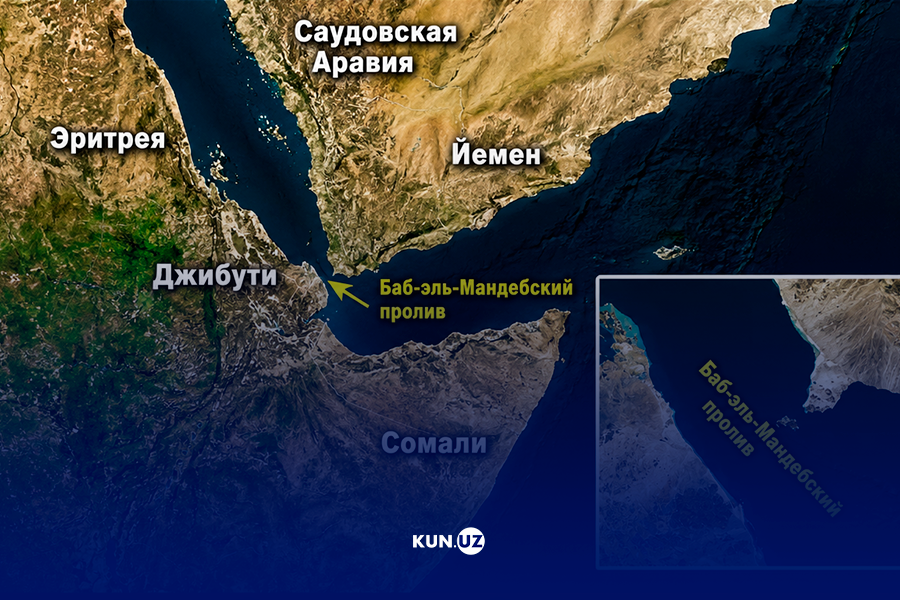
In late February of this year, the United States and Israel initiated missile strikes against Iran. In response, Iran began launching missiles and drones at U.S. military bases and infrastructure located in Arab Gulf states. During this period, Iran also closed the Strait of Hormuz and repeatedly threatened to block the Bab el-Mandeb Strait in the Red Sea. The article explores how Iran might potentially achieve such a blockade. The Bab el-Mandeb Strait is a crucial maritime chokepoint connecting the Red Sea to the Gulf of Aden, and by extension, the Indian Ocean. Its strategic importance lies in its role as a vital transit route for global trade, particularly for oil and gas shipments from the Persian Gulf to Europe and North America. Controlling or disrupting this strait would significantly impact international shipping and energy markets. Iran's threats to block this waterway are seen as a significant escalation in regional tensions and a demonstration of its asymmetric warfare capabilities.
Iran's strategic threats concerning the Bab el-Mandeb Strait highlight the asymmetric leverage available to states operating outside traditional power structures. By targeting critical global chokepoints, Iran seeks to amplify its influence and deter adversaries through the potential disruption of international commerce and energy flows. This tactic leverages geography and the interconnectedness of global supply chains to offset conventional military disadvantages. Future geopolitical scenarios may see increased reliance on such chokepoint strategies as a means of projecting power and influencing international relations, underscoring the need for robust diplomatic and security frameworks to ensure maritime stability.
AI-generated to prompt reflection — not editorial opinion, not advice, not a statement of fact. How this works.