Iran's Strategy: Limited Conflict as a Tool Against US Pressure
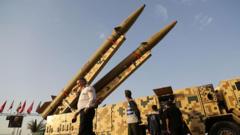
Iran may be adopting a strategy of limited conflict as a means to exert pressure on the United States without escalating to an all-out war. This approach suggests that Tehran believes it can manage and control the intensity of its confrontations, thereby maintaining a level of tension that serves its interests. The objective appears to be to keep the US engaged and potentially constrained, while simultaneously avoiding the severe repercussions of a full-scale military engagement. This calculated approach indicates a sophisticated understanding of geopolitical leverage, aiming to achieve strategic goals through sustained, but contained, hostilities. It implies a desire to prolong a state of limited conflict to continuously challenge US influence in the region. The underlying assumption is that such a strategy offers a more favorable outcome than outright peace, which might allow US pressure to subside or be redirected. This limited war scenario is seen as a way to maintain a degree of deterrence and assertiveness on the international stage.
This perspective suggests a strategic calculation by Iran, aiming to leverage limited conflict as a tool for sustained pressure on the US. The underlying incentive structure may involve maintaining regional influence and deterring perceived threats without incurring the full economic and military costs of an all-out war. This approach highlights a potential system contradiction where a state seeks to maximize leverage through controlled escalation, balancing the risks of conflict against the perceived benefits of prolonged tension. From a future-oriented viewpoint, such strategies could shape regional dynamics, influencing international relations and potentially impacting global energy markets. The effectiveness of this approach will likely depend on the US's response and the broader geopolitical landscape over the next decade.
AI-generated to prompt reflection — not editorial opinion, not advice, not a statement of fact. How this works.