Iran's Strategy: Limited Conflict as a Tool Against US Pressure
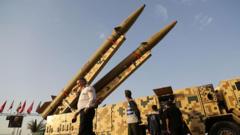
Iran may be adopting a strategy of limited conflict, believing it can carefully manage hostilities to maintain pressure on the United States without escalating to an all-out war. This approach suggests a calculated risk, aiming to achieve strategic objectives through controlled confrontations. The underlying assumption is that Iran possesses the capability to calibrate the intensity and scope of its actions. This allows for sustained engagement that keeps the US occupied and potentially undermines its regional influence. However, such a strategy inherently carries the risk of miscalculation, where limited actions could inadvertently trigger a broader conflict. The success of this approach hinges on Iran's ability to maintain strict control over escalation dynamics. It also implies a willingness to accept a certain level of ongoing tension and potential economic or diplomatic repercussions. The ultimate goal appears to be achieving concessions or altering the geopolitical landscape through persistent, albeit limited, military or paramilitary actions.
This strategic calculus by Iran suggests a sophisticated understanding of asymmetric warfare and geopolitical leverage. By opting for limited conflict, Iran may aim to impose costs on the US and its allies, thereby influencing policy decisions without triggering a full-scale military response. This approach leverages the significant asymmetry in military power, seeking to achieve strategic gains through prolonged attrition and political pressure rather than direct confrontation. The inherent risk lies in escalation control; any misstep could lead to unintended consequences, potentially drawing in regional or global powers. From a long-term perspective, this strategy could be seen as an attempt to manage the power imbalance in the region, seeking to alter regional dynamics over time by demonstrating resilience and imposing persistent, albeit contained, challenges to established powers. The effectiveness of this strategy will likely depend on the evolving geopolitical landscape and the responses of the US and its allies.
AI-generated to prompt reflection — not editorial opinion, not advice, not a statement of fact. How this works.