Iran's Strategy: Neither Peace Nor Full War, What Does Tehran Want from the US?
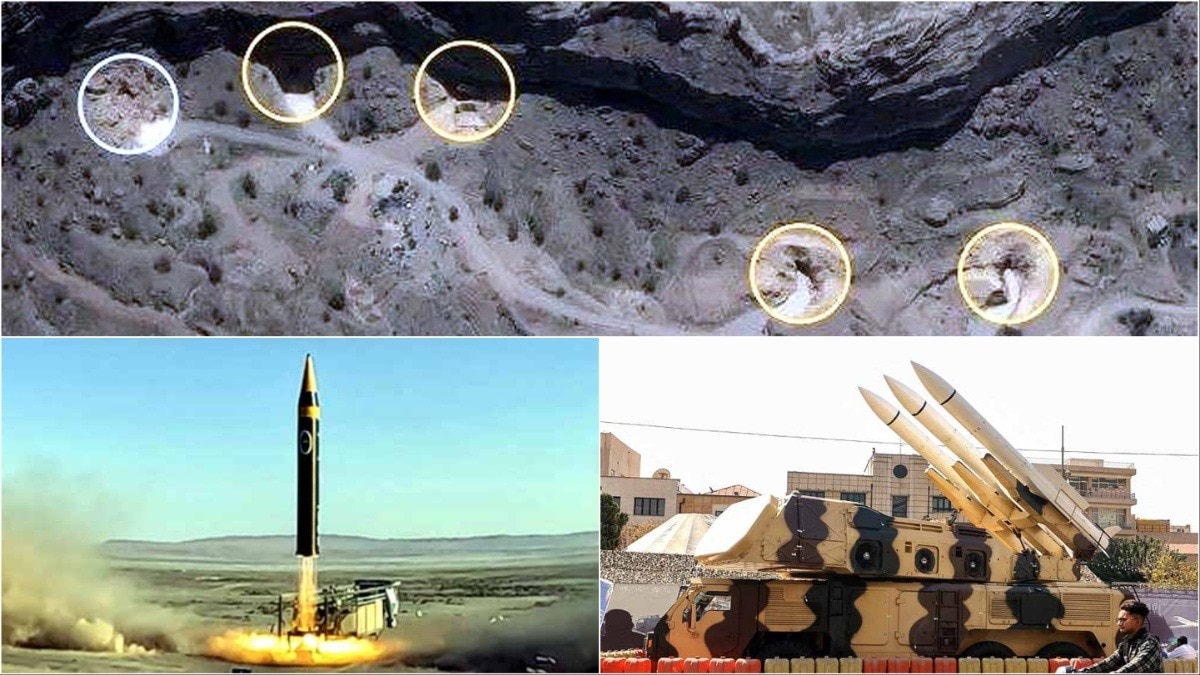
The ongoing confrontation between Iran and the United States has captured global attention due to Tehran's distinctive strategy. Iran appears to be neither seeking an end to the conflict nor escalating it into a full-blown war, instead opting for a sustained state of pressure. This approach has raised questions about Iran's ultimate objectives and its motivations for preferring a tense standoff over outright peace or large-scale conflict. The world is observing closely to understand the underlying reasons behind this strategic choice by the Iranian leadership. The current situation suggests a deliberate policy of maintaining a high-tension environment without crossing the threshold into open warfare. This complex geopolitical maneuver is being analyzed for its potential long-term implications on regional stability and international relations. Understanding Iran's desired outcome from this prolonged period of tension is crucial for navigating future diplomatic and security landscapes.
Iran's strategic posture, characterized by maintaining elevated tensions without initiating full-scale war, suggests a calculated approach to maximizing leverage. This strategy may aim to deter direct military confrontation while simultaneously pressuring the US and its allies on multiple fronts, potentially influencing regional dynamics and international sanctions. The inherent risk in such a strategy is the potential for miscalculation, which could inadvertently escalate the situation beyond Tehran's control. From a long-term perspective, this approach highlights the challenges of de-escalation in complex geopolitical environments and the persistent influence of non-military forms of statecraft in the 21st century.
AI-generated to prompt reflection — not editorial opinion, not advice, not a statement of fact. How this works.