Iran's Supreme Leader Ali Khamenei's Funeral Held Amidst Hormuz Strait Bombing; Escalation Fears Rise
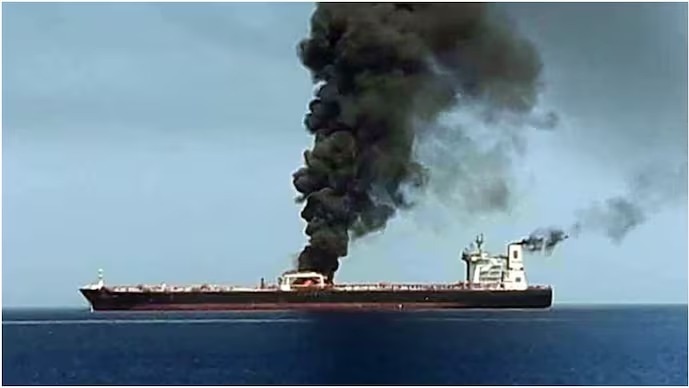
The recent funeral of Iran's Supreme Leader Ali Khamenei coincided with a bombing incident in the Strait of Hormuz, raising concerns about potential renewed conflict in the Middle East. Major geopolitical events in this region extend beyond local politics, significantly impacting global energy supplies, international trade, and maritime security. Consequently, the world closely monitors any military activities occurring within the Persian Gulf area. The intersection of these two events—Khamenei's passing and the Hormuz incident—creates a volatile situation, prompting speculation about the future stability of the region and the potential for further escalation.
The confluence of a significant leadership transition in Iran and an incident in the Strait of Hormuz warrants careful consideration of regional power dynamics and security frameworks. The Strait of Hormuz is a critical chokepoint for global energy markets, making any disruption there a matter of international concern. The passing of a long-standing leader like Ali Khamenei introduces a period of potential uncertainty within Iran's governance structure, which could influence its foreign policy and regional posture. The bombing incident, regardless of its origin, introduces immediate security risks and could be interpreted through various lenses, including internal political maneuvering, external provocations, or unintended consequences of existing tensions. Navigating this period will require adept diplomacy and a clear understanding of the incentives driving state and non-state actors in the region, particularly in the context of evolving global energy demands and geopolitical realignments over the next decade.
AI-generated to prompt reflection — not editorial opinion, not advice, not a statement of fact. How this works.