Iran's Supreme Leader Mojtaba Khamenei to Skip Father's Funeral Amidst Israeli Threats
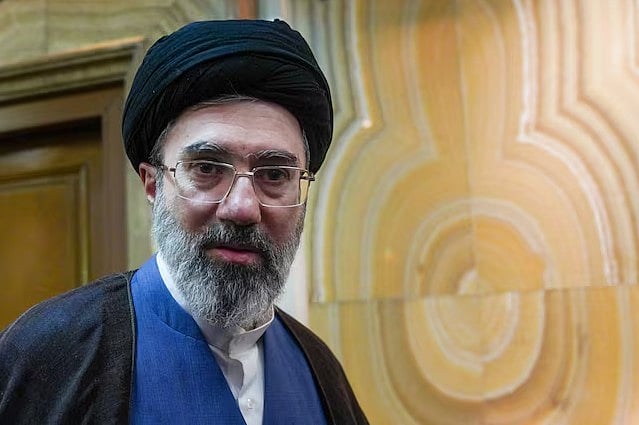
Mojtaba Khamenei, the current Supreme Leader of Iran and son of the recently deceased Ayatollah Ali Khamenei, will not attend his father's funeral ceremonies. This decision stems from threats allegedly made by Israel against Mojtaba Khamenei, according to his representative in India. Ayatollah Ali Khamenei was reportedly killed on February 28, the first day of perceived aggression by the United States and Israel against Iran. His burial was initially planned for March but was postponed due to the ongoing conflict. The official funeral proceedings began on Friday and are scheduled to last for seven days. State media reports indicate that representatives from approximately 100 countries are expected to attend the funeral prayer. Ayatollah Ali Khamenei will be interred in Mashhad on July 9. In a related development, a senior Iranian military official issued a stern warning against the US and Israel. Commander Ali Abdollahi of the Khatam al-Anbiya Central Headquarters cautioned Iran's adversaries, particularly the United States and Israel, against miscalculations. He emphasized that Iran's armed forces would retaliate severely against any threats or aggression targeting the nation.
The decision by Iran's current Supreme Leader to forgo his father's funeral, citing Israeli threats, highlights the heightened geopolitical tensions and perceived security risks within the region. This situation underscores the complex interplay of state-sponsored rhetoric, intelligence assessments, and public pronouncements that shape national security strategies. The Iranian military's strong warning to the US and Israel suggests a posture of deterrence, aiming to dissuade further escalation by emphasizing the potential for severe retaliation. In the context of an evolving global landscape, such events prompt consideration of how regional conflicts can be de-escalated through diplomatic channels and robust security assurances, rather than through escalatory cycles driven by perceived threats and counter-threats. The long-term implications for regional stability will depend on the strategic calculations of all involved parties and their adherence to international norms.
AI-generated to prompt reflection — not editorial opinion, not advice, not a statement of fact. How this works.