Iran's Supreme Leader's Funeral Focuses on Successor Amidst Geopolitical Tensions
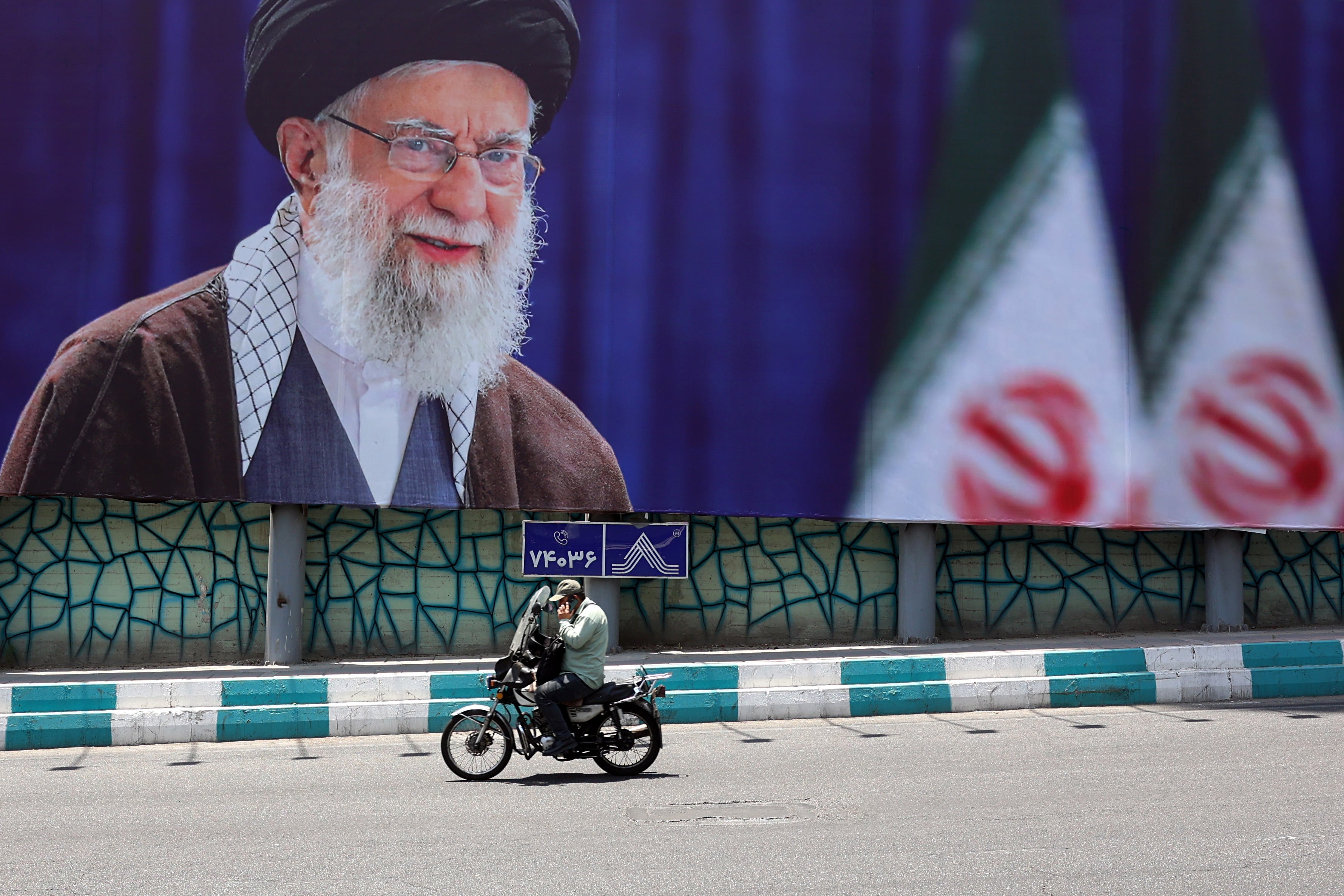
The funeral of Iran's Supreme Leader, Ayatollah Ali Khamenei, has become a focal point for speculation regarding his succession. The event is taking place amidst heightened geopolitical tensions, with the source text alleging Khamenei was assassinated by Israel and the US. A key question surrounding the ceremonies is whether his son, Mojtaba Khamenei, will attend and play a prominent role. Mojtaba is widely considered a potential successor to his father, and his presence or absence could signal shifts in the country's political landscape. The leadership transition in Iran is a matter of significant international interest, given the country's strategic position and influence in the Middle East. The circumstances surrounding the alleged assassination, as stated in the source, add another layer of complexity to the ongoing events. The focus on Mojtaba highlights the internal dynamics and power structures within Iran's clerical establishment. The coming days are expected to provide more clarity on the succession plan and its implications for regional stability.
The reported circumstances of Ayatollah Khamenei's death, as framed by the source, suggest a narrative intended to attribute blame and potentially incite animosity. The focus on his son, Mojtaba, as a potential successor highlights the hereditary succession dynamics that can emerge within established political systems, particularly when leadership transitions are critical. This situation presents a classic governance challenge: balancing the need for continuity with the potential for public perception of dynastic rule. The international community will be closely observing how this transition unfolds, assessing its impact on regional stability and Iran's future foreign policy. The event underscores the complex interplay between internal power structures, succession planning, and external geopolitical pressures that shape national trajectories.
AI-generated to prompt reflection — not editorial opinion, not advice, not a statement of fact. How this works.