Iran's Supreme Leader's Funeral Highlights Regional Tensions
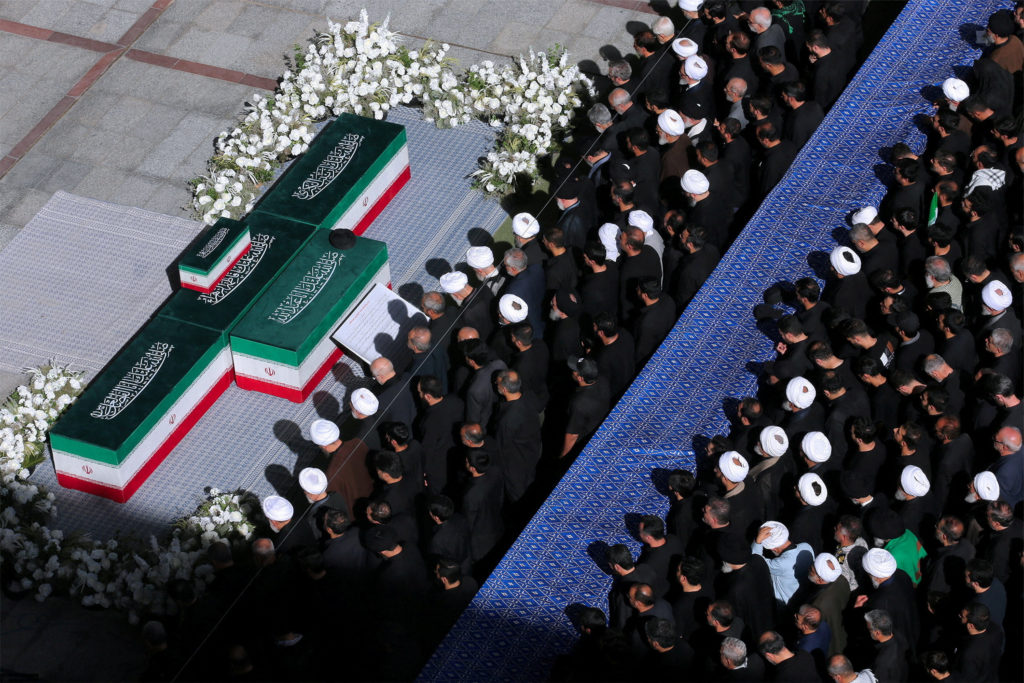
The funeral of Iran's Supreme Leader served as a demonstration of national unity and defiance, with senior Iranian officials making public appearances. The event occurred amidst Iran's ongoing demands for greater control over the Strait of Hormuz. This vital global energy waterway was previously shut down by Iran during wartime. The public display by officials coincides with calls for retribution, suggesting a heightened state of regional tension. The situation underscores Iran's strategic interests in controlling maritime chokepoints critical for international trade and energy security. The funeral's staging appears designed to project strength and resolve on the international stage.
The funeral proceedings for Iran's Supreme Leader appear to have been leveraged to project a unified national stance and assert regional ambitions, particularly concerning the Strait of Hormuz. This strategic waterway's significance to global energy markets makes any assertion of control a critical geopolitical factor. The public appearances of senior officials, coupled with calls for revenge, suggest an intent to signal resolve to both domestic and international audiences. Such displays can be interpreted within the framework of statecraft, aiming to influence perceptions of power and deter potential adversaries. The underlying dynamic involves balancing internal cohesion with external signaling in a complex geopolitical environment, where control over critical infrastructure like shipping lanes carries substantial economic and strategic leverage.
AI-generated to prompt reflection — not editorial opinion, not advice, not a statement of fact. How this works.