Iran's Supreme Leader Vows Revenge After Father's Burial
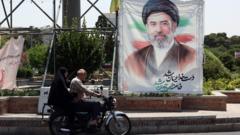
Mojtaba Khamenei, son of Iran's Supreme Leader, has declared that vengeance for his father's killing is "inevitable." The assassination reportedly occurred on the first day of the ongoing US-Israeli war on Iran. Khamenei's statement was made following his father's burial, underscoring the gravity of the situation and the regime's response. The specific details of the assassination and the timeline of events remain central to the unfolding geopolitical tensions. This declaration signals a potential escalation in the conflict, with Iran likely to seek retribution against those it deems responsible. The international community will be closely monitoring Iran's actions and the broader implications for regional stability. The phrase "US-Israeli war on Iran" suggests a specific narrative framing by the Iranian leadership regarding the conflict's origins and perpetrators.
The pronouncement of inevitable revenge following a significant political assassination, framed within a narrative of external aggression, highlights the potent intersection of domestic security concerns and international relations. Such rhetoric often serves to consolidate internal support by presenting a unified front against perceived foreign adversaries. From a geopolitical perspective, this declaration could signal a shift towards more assertive or retaliatory foreign policy actions by Iran, potentially increasing regional instability. The framing of the conflict as a "US-Israeli war on Iran" suggests a strategic communication effort to shape public opinion and international perception, attributing blame and justifying future responses. The long-term implications will depend on the specific nature of any retaliatory measures and the responses from the targeted nations, potentially influencing global energy markets and diplomatic alliances.
AI-generated to prompt reflection — not editorial opinion, not advice, not a statement of fact. How this works.