Iran's Supreme Leader Vows Revenge for Father's Assassination
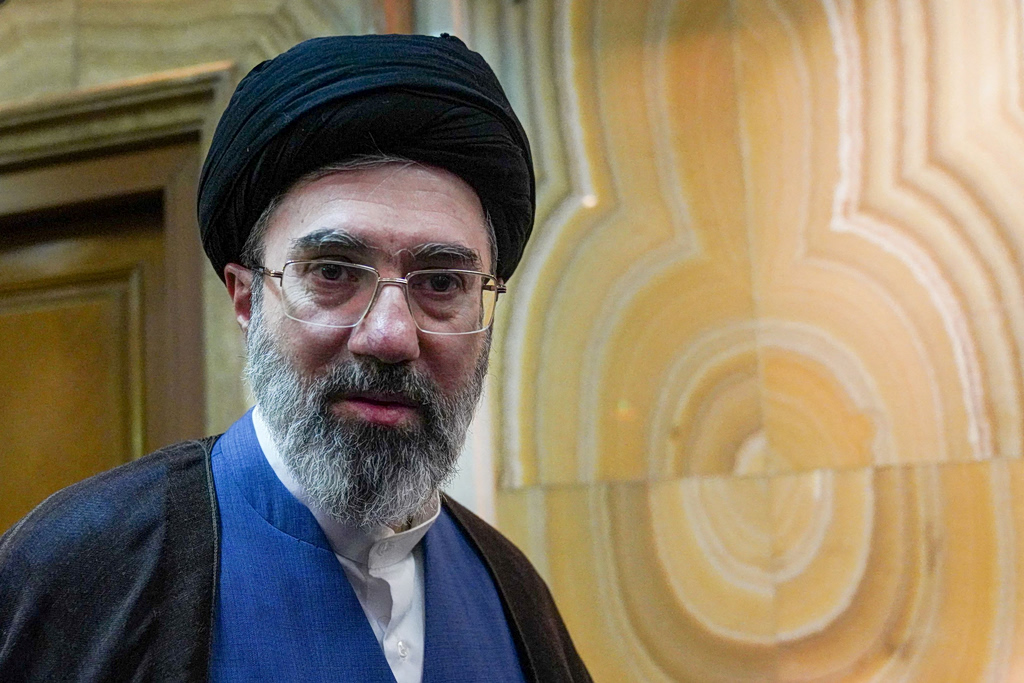
Iran's Supreme Leader, Ayatollah Mojtaba Khamenei, declared on Saturday that seeking revenge for his assassinated father and predecessor is a "national demand" that "must absolutely be fulfilled." Khamenei's statement was issued via a written message posted on his Telegram account, coinciding with the funeral ceremonies for his father.
The leader emphasized that the perpetrators of the assassination would face punishment, stating, "The disgraced murderers will be punished." This vow of retribution underscores the gravity with which the Iranian regime views the killing of its former leader and signals a commitment to retaliating against those responsible. The incident has heightened tensions within the region and highlights the ongoing political instability surrounding Iran's leadership.
The pronouncement of revenge by Iran's Supreme Leader Mojtaba Khamenei, following the assassination of his father, frames the act as a collective national imperative. This framing serves to consolidate domestic support and legitimize potential retaliatory actions, positioning them not as state policy but as a response to popular will. The emphasis on punishing "disgraced murderers" aims to delegitimize the perpetrators and any associated political movements. From a geopolitical perspective, such strong rhetoric can escalate regional tensions, potentially leading to proxy conflicts or direct confrontations. The regime's focus on retribution, rather than de-escalation or transparent investigation, suggests a prioritization of symbolic strength and deterrence over diplomatic resolution. This approach aligns with historical patterns of statecraft where internal consolidation and external signaling of resolve are paramount, especially in the face of perceived existential threats or challenges to authority.
AI-generated to prompt reflection — not editorial opinion, not advice, not a statement of fact. How this works.