Iran's Supreme Leader Vows Revenge for Father's Death, Trump Issues Threats
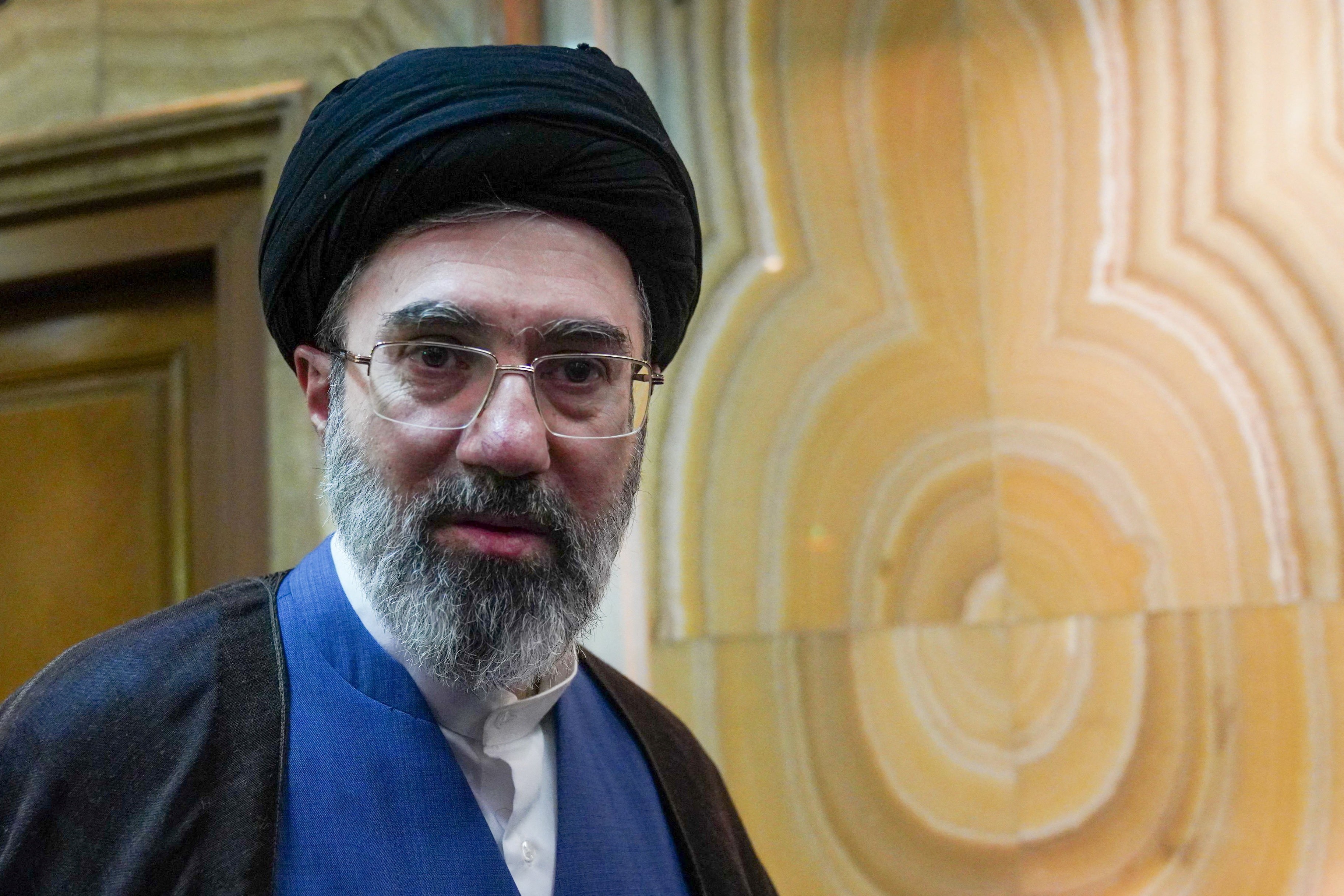
Iran's Supreme Leader, Mojtaba Khamenei, has declared that "revenge" for the death of Ayatollah Ali Khamenei, who was killed in a US airstrike on February 28, is a demand of the Iranian people. This statement was posted on his X profile following a four-day funeral ceremony for his father. Mojtaba Khamenei stated that those responsible, whose full list is known, will not die peacefully in their beds. The new Supreme Leader has not made any public appearances since the US and Israeli attacks began, and Iranian news agencies report his face is disfigured from the attack. This declaration coincides with escalating tensions between Tehran and Washington. U.S. President Donald Trump previously threatened to destroy Iran if its forces attempted to assassinate him, stating on social media that "a thousand missiles are ready and loaded" with thousands more available. This threat followed chants for Trump's death by Iranian government supporters during Ayatollah Ali Khamenei's funeral. Meanwhile, a source close to Iran's negotiation team indicated that the country will not initiate peace talks until the US fulfills previously established agreements. These include the creation of a special working group for Lebanon, resolving passage through the Strait of Hormuz, and normalizing oil exports. The source stated Iran has made no request for negotiations and will not consider discussions until Washington retracts its positions. Earlier this week, President Trump also declared the peace agreement with Iran was over and launched further attacks against Tehran.
The escalating rhetoric between Iran and the United States, marked by threats of retaliation and military action, highlights the volatile geopolitical landscape. The Iranian leadership's public pronouncements of revenge, coupled with U.S. President Trump's aggressive stance, signal a potential for further escalation. From a systemic perspective, such public posturing can serve domestic political objectives by rallying nationalistic sentiment, but it also carries significant risks of miscalculation and unintended conflict. The stated Iranian preconditions for negotiation, focusing on specific policy reversals by the U.S., suggest a strategic attempt to leverage the current crisis for diplomatic gains. However, the inherent contradiction lies in the pursuit of de-escalation through maximalist demands and threats, a dynamic that could trap both parties in a cycle of escalating confrontation rather than fostering a path toward resolution. The long-term implications for regional stability and global energy markets remain a critical concern as these tensions unfold.
AI-generated to prompt reflection — not editorial opinion, not advice, not a statement of fact. How this works.