Iran Seeks Economic War with US Amid Strait of Hormuz Tensions, Expert Says
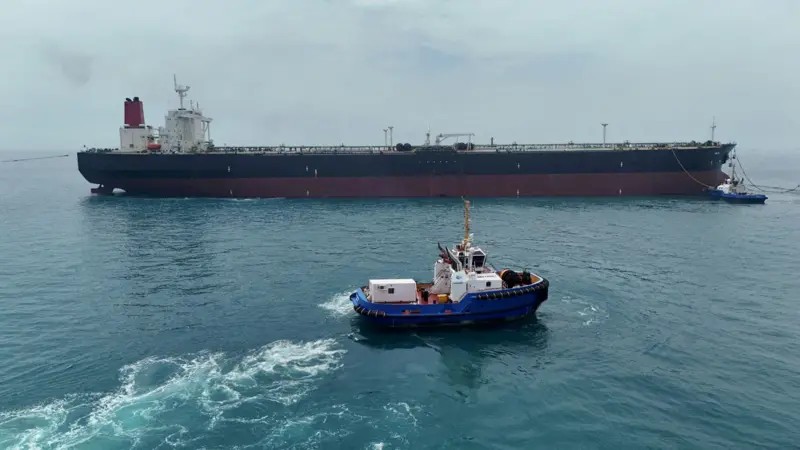
Mehran Kamrava, a political scientist at Georgetown University in Qatar, believes Iran aims to shift its military conflict with the United States into an economic one. This strategy stems from the weakening of Iran's "Axis of Resistance," which includes groups like Hamas, Hezbollah, and the Houthis. Consequently, the Strait of Hormuz has become Iran's primary source of strategic influence and deterrence against the U.S. Kamrava explained that Iran recognizes its inability to match the U.S. in a conventional military confrontation, thus prioritizing economic leverage through its control over the vital waterway.
In response, the U.S. appears determined to undermine Iran's influence over the Strait of Hormuz, though the exact methods remain unclear even to Pentagon strategists. Recent U.S. actions have targeted strategic locations along Iran's southern coast in the Persian Gulf, with potential implications for ground operations on Iranian islands like Kharg. Both nations reportedly desire an end to the conflict but on their own terms, with countries like Oman, Qatar, and Pakistan attempting to mediate. The ongoing tensions are negatively impacting regional stability, particularly for nations like Qatar and the UAE, and could lead to further escalation if groups like the Houthis disrupt other crucial shipping lanes, such as the Bab el-Mandeb Strait.
U.S. President Donald Trump announced on Monday that the U.S. will control the Strait of Hormuz and block Iranian access to its ports, citing alleged violations of an agreement. He stated the strait would remain open but under U.S. control, preventing Iranian vessels and their clients from entering or exiting. The U.S. Central Command (Centcom) confirmed this blockade would take effect on Tuesday, July 14th, at 5 PM Brasília time. These actions follow multiple nights of U.S. strikes against Iran amidst escalating hostilities, including an alleged Iranian attack on two oil tankers in the Strait of Hormuz. Trump also proposed a 20% tariff on cargo passing through the strait to fund U.S. operations, positioning the U.S. as the "guardian" of the Strait of Hormuz.
The geopolitical tension surrounding the Strait of Hormuz highlights a strategic shift where economic pressure is being employed as a primary tool in state-level disputes, particularly when direct military parity is unattainable. This approach leverages critical global chokepoints to exert influence and extract concessions, reflecting a broader trend of economic statecraft. The U.S. response, including blockade and proposed tariffs, signals an intent to control vital global trade routes, framing it as a security imperative. However, such actions carry systemic risks, potentially triggering retaliatory measures, disrupting global supply chains, and escalating regional instability. The involvement of regional mediators underscores the inherent fragility of the situation and the shared interest in de-escalation, though differing objectives complicate negotiated settlements. Looking ahead, the increasing reliance on economic warfare and control of strategic maritime assets may define future geopolitical contests, necessitating robust international frameworks for dispute resolution and trade security.
AI-generated to prompt reflection — not editorial opinion, not advice, not a statement of fact. How this works.