Iran Sees Advantage After Trump Shifts Stance on Military Escalation
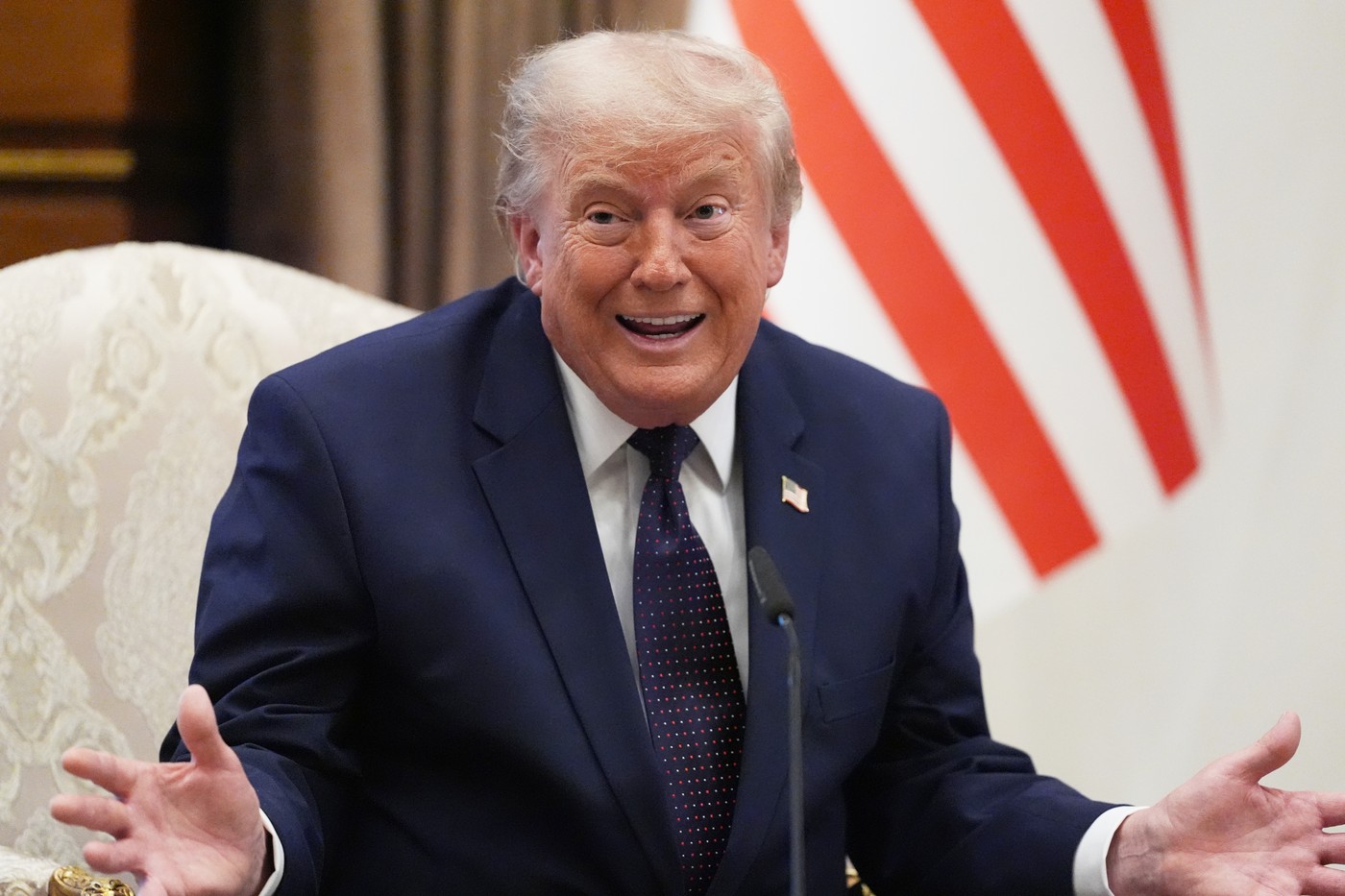
Tehran interprets President Donald Trump's shift in position regarding potential military escalation against Iran as evidence that Washington is seeking to avoid a full-scale war. While the U.S. administration claims its goal is to bring parties back to the negotiating table, Iranian officials and analysts believe the Islamic Republic has successfully altered the balance of power in the region. They assert that Iran has demonstrated its capability to threaten vital energy infrastructure and commercial routes in the Middle East. This assessment, detailed in an analysis by The New York Times, suggests Iran views Trump's revised stance as a strategic gain, indicating a de-escalation from the U.S. side. The Iranian perspective is that their actions have forced a reassessment of the risks and potential consequences of direct military conflict. This perceived shift in leverage is seen as a validation of Iran's regional strategy and its ability to project power indirectly. The situation highlights a complex dynamic where diplomatic signaling and military posturing are being interpreted differently by the involved parties, leading to divergent strategic calculations.
The diplomatic maneuvering between the U.S. and Iran, particularly following shifts in American rhetoric on military escalation, reveals a complex interplay of perceived threats and strategic advantages. From an Iranian perspective, demonstrated capabilities to disrupt regional energy and trade routes can be leveraged to influence U.S. policy and avoid direct confrontation, thereby altering the regional power dynamic. This approach aligns with strategies that prioritize asymmetric capabilities to offset conventional military disparities. The U.S. administration's stated goal of returning to negotiations, juxtaposed with Iran's assertive posture, suggests a potential stalemate where both sides seek to avoid costly conflict while maintaining leverage. Future diplomatic outcomes may hinge on the perceived credibility of each side's threats and capabilities, and the willingness to engage in substantive dialogue versus continued posturing.
AI-generated to prompt reflection — not editorial opinion, not advice, not a statement of fact. How this works.
