Iran Shifts Strategy Against Trump, Seeks Initiative in Conflict
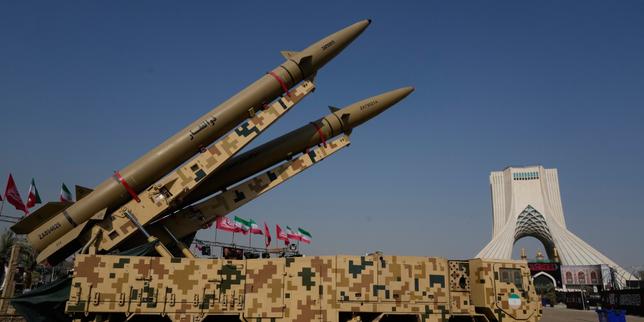
Following a period of essentially responding to American strikes, Tehran executed what it described as a "preventive" attack against U.S. forces in Jordan on July 29. This strategic shift signifies a departure from a purely retaliatory logic and indicates Iran's desire to regain control over the unfolding conflict. The move also corresponds with a geographical expansion of the conflict, suggesting a broader Iranian strategy. This approach appears aimed at proactively shaping the narrative and the battlefield, moving beyond a reactive stance. By taking the initiative, Iran may be attempting to deter further escalation on its own terms or to create new diplomatic or military leverage.
Iran's recent actions suggest a calculated recalibration of its strategy in response to perceived U.S. pressure, moving from reactive retaliation to proactive initiative. This shift may be driven by an assessment of diminishing returns from purely defensive postures and a desire to influence the conflict's trajectory. By broadening the conflict's geographical scope and framing actions as 'preventive,' Tehran could be seeking to create strategic ambiguity and compel adversaries to reassess risks. This approach, while potentially increasing immediate volatility, might be intended to establish a more advantageous negotiating position or to deter future escalations by demonstrating a capacity for independent action. The long-term implications will depend on the international community's response and the effectiveness of Iran's new strategic calculus in navigating the complex geopolitical landscape.
AI-generated to prompt reflection — not editorial opinion, not advice, not a statement of fact. How this works.