Iran Strikes Back at US, Escalating Tensions in Strait of Hormuz
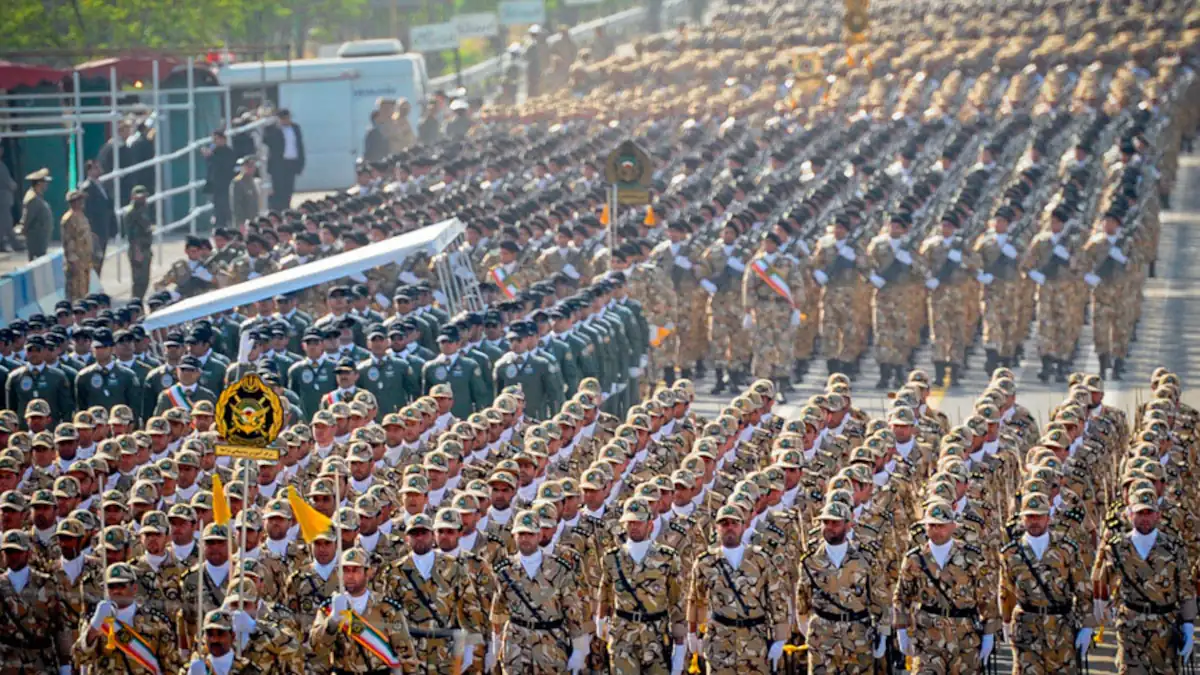
Iran announced on Saturday that it launched strikes against US-linked positions in the Middle East. This action is presented as retaliation for American bombings that occurred the previous day. The announcements were made by the Islamic Revolutionary Guard Corps and the Iranian Ministry of Foreign Affairs. These developments come just one week after the signing of a memorandum intended to de-escalate regional tensions. The situation has plunged the Strait of Hormuz back into a state of crisis. Further details regarding the specific targets and extent of the Iranian strikes were not immediately available. The Iranian government stated its actions were a direct response to perceived aggression from the United States. The renewed hostilities raise concerns about the stability of the region and potential impacts on international shipping lanes. Diplomatic efforts to contain the situation are expected to be crucial in the coming days.
The Iranian strikes, framed as retaliation, represent a significant escalation following a recent de-escalation agreement. This cyclical pattern of action and reaction in the Strait of Hormuz highlights the persistent geopolitical friction and the challenges in establishing lasting regional stability. The interplay between Iranian military posturing and US responses suggests a complex incentive structure where perceived strength and deterrence are paramount. Future developments will likely hinge on whether diplomatic channels can effectively interrupt this cycle, or if the strategic importance of the Strait of Hormuz will continue to be a flashpoint for broader geopolitical competition, potentially impacting global energy markets and international security frameworks.
AI-generated to prompt reflection — not editorial opinion, not advice, not a statement of fact. How this works.