Iran Strikes Gulf Targets After US Offensive, Escalating Regional Tensions
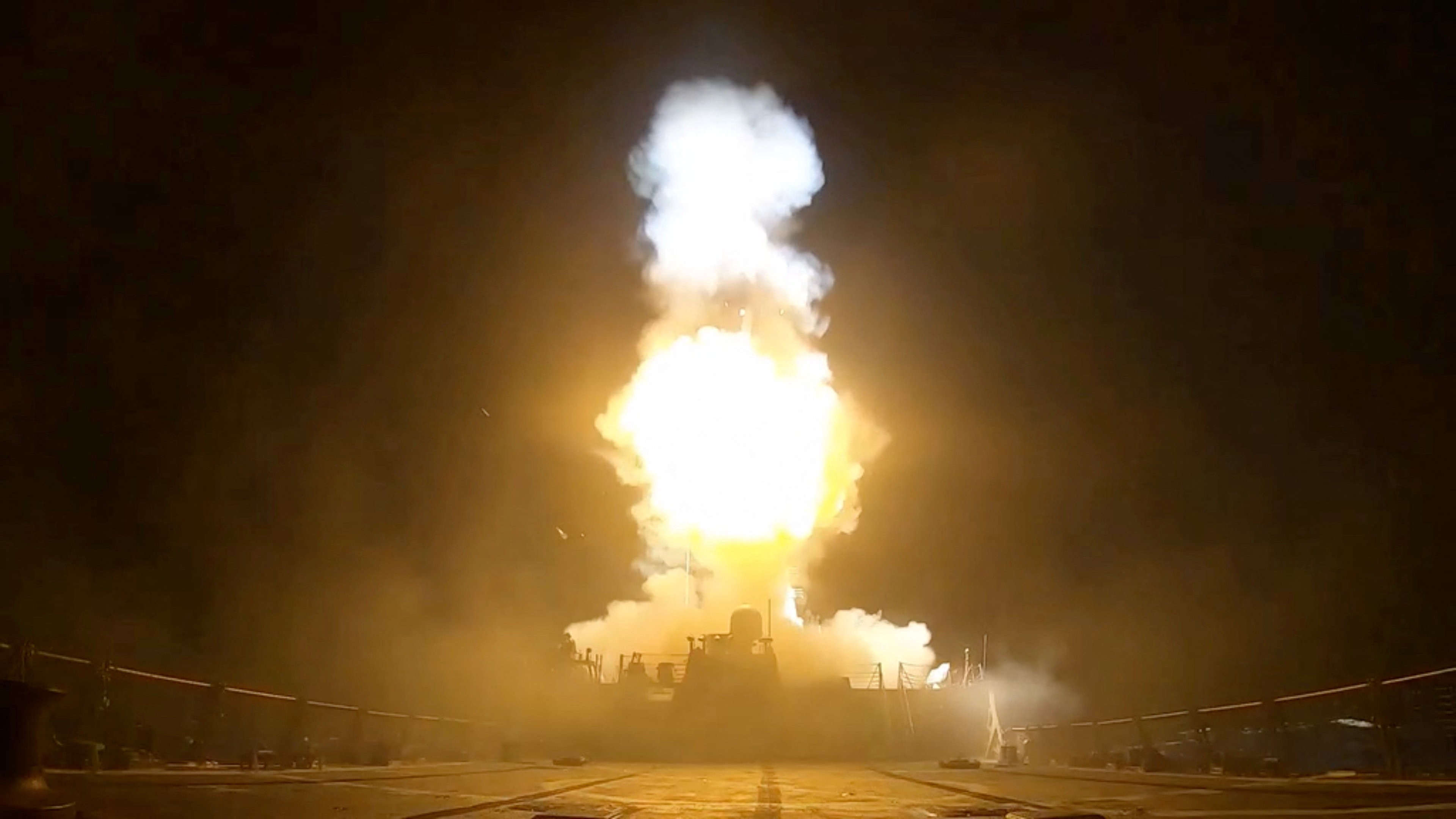
Iran launched attacks on U.S.-linked targets in three Persian Gulf countries on Sunday, January 12th, following a new U.S. offensive against its territory. The Iranian Revolutionary Guard announced the closure of the Strait of Hormuz, claiming to have destroyed a command and control center and drone hangars in Jordan, a U.S. ally. They also reported hitting an American radar in Kuwait and attacking U.S. aircraft carrier support and refueling platforms in Oman, as well as destroying a jet maintenance center and command facility in Qatar. Authorities in the United Arab Emirates stated their defense systems intercepted Iranian missiles and drones, though they later confirmed the threats were outside their borders. Bahrain reported air raid sirens, while Qatar confirmed missile interceptions, with three people, including a child, injured by shrapnel. Jordan's state news agency reported minor material damage and no casualties from three missiles fired from Iranian territory. These strikes represent a significant escalation, occurring after U.S. Central Command claimed to have hit 140 Iranian military targets on Saturday, January 11th, to impede Iran's ability to attack civilian vessels in the strait. Iran's state media reported explosions in southern cities, with no immediate casualty reports. The Revolutionary Guard stated the Strait of Hormuz would remain closed until further notice and U.S. operations concluded, detaining a vessel that allegedly ignored warnings. The UK Maritime Trade Operations reported an attack approximately 17 km east of Oman's Musandam Peninsula, causing a ship fire and forcing the crew to abandon ship. Pakistan's Foreign Minister urged both sides to exercise restraint amid ongoing diplomatic efforts. Iran and Oman, with Qatari participation, held prior negotiations regarding the war and navigation in Hormuz, agreeing to continue discussions on maritime security. A prior 60-day ceasefire, established on June 17th, was declared by U.S. President Donald Trump as "over" due to Iranian attacks, despite ongoing negotiations. Iran's supreme leader had warned of inevitable revenge, while Trump accused Iran of plotting his assassination and threatened severe retaliation.
The exchange of attacks between Iran and the United States, involving strikes on multiple Gulf nations and the closure of the Strait of Hormuz, signifies a critical inflection point in regional stability. This escalation, framed by reciprocal accusations of aggression and pre-emptive action, highlights the volatile interplay of national security interests and strategic chokepoints. The involvement of regional actors like Jordan, Kuwait, Oman, Qatar, and the UAE underscores the interconnectedness of geopolitical tensions, where localized conflicts can rapidly metastasize. From a systemic perspective, the reliance on military posturing and retaliatory strikes, rather than sustained diplomatic resolution, perpetuates a cycle of instability. Future decades will demand more robust de-escalation mechanisms and cooperative frameworks for managing critical maritime passages, especially as global trade and energy security remain inextricably linked to the free flow of commerce through such vital waterways. The challenge lies in shifting from a paradigm of deterrence through force to one of mutual security through dialogue and verifiable agreements.
AI-generated to prompt reflection — not editorial opinion, not advice, not a statement of fact. How this works.