Iran Strikes Kuwait and Threatens US Allies After US Bombing
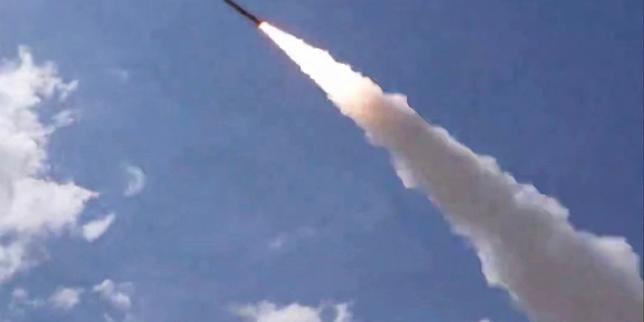
Iran reported three deaths on Thursday evening following American bombings in the southern part of the country, prompting a retaliatory response. The Iranian military announced that it had targeted Kuwait, with a second power and desalination plant being attacked. The Jordanian army stated that it intercepted ten missiles, indicating the broad reach of Iran's retaliation. Bahrain and Kuwait were also identified as targets by Tehran. This escalation follows an earlier exchange where Iran launched missiles and drones at targets in Iraq and Syria, claiming to strike Israeli intelligence sites and ISIS strongholds, respectively. The United States condemned Iran's actions, emphasizing that it does not seek conflict but will defend its interests and allies. Tehran, however, has issued warnings to all countries hosting American forces, threatening reprisals.
The recent escalations between Iran and the US, involving direct strikes and retaliatory actions across multiple Middle Eastern nations, highlight the volatile geopolitical landscape. Iran's threats against countries hosting US forces suggest a strategic attempt to broaden the conflict and pressure the United States by leveraging regional alliances. This dynamic could lead to increased instability, impacting global energy markets and potentially drawing in other regional actors. The situation underscores the complex interplay of national security interests, regional rivalries, and the long-term implications of foreign military presence in the Middle East, particularly in the context of evolving global power structures and the potential for asymmetric warfare.
AI-generated to prompt reflection — not editorial opinion, not advice, not a statement of fact. How this works.