Iran Strikes US Assets Amid Escalating Gulf Tensions; Houthis Impose Saudi Embargo
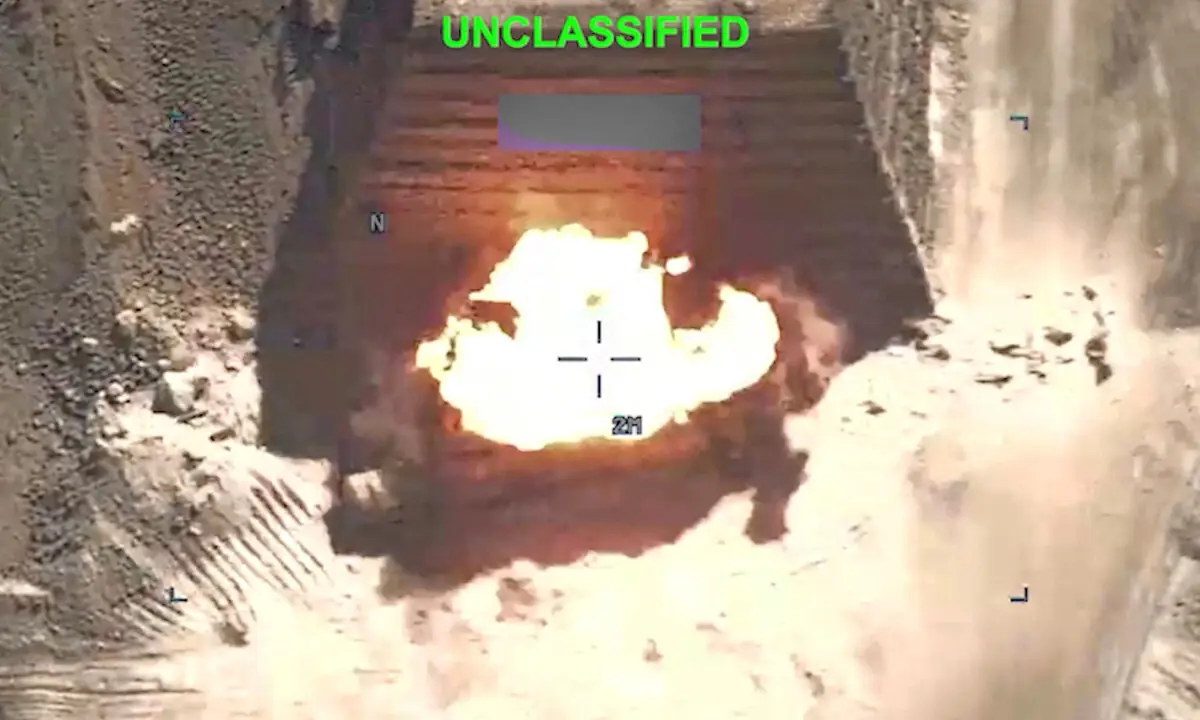
Iran launched attacks on US radar and air defense installations in the Gulf on Tuesday, warning of more significant strikes to follow, as the US military concluded its own offensive operations against Iranian targets. The Iranian Revolutionary Guards claimed responsibility for stopping two oil tankers in the Strait of Hormuz. These actions follow recent US strikes, reportedly the tenth consecutive day of US military action, initiated after the deaths of at least three US soldiers. The US stated its strikes aimed to degrade Iran's capabilities to attack commercial shipping and vowed to hold Iran accountable for aggression. Iran's army subsequently claimed to have targeted US assets in Kuwait and Bahrain, including air defense systems and radar installations, with a warning of further drone and missile attacks. US President Donald Trump vowed retaliation, while Iranian President Masoud Pezeshkian described the situation as a "full-scale war." The Pentagon reported nearly 100 US service members wounded, mostly with minor concussions, since July 7. Meanwhile, diplomatic exchanges between Iran and Washington are reportedly ongoing via mediators. In a related development, Yemen's Houthi rebels announced an immediate maritime embargo on Saudi Arabia, citing retaliation. This blockade, if enforced, could significantly impact Saudi Arabia's economy by restricting access to its Red Sea ports, vital for oil exports, and potentially disrupt global energy markets. The Houthis have previously targeted shipping in the Red Sea, forcing lengthy detours for vessels.
This escalating conflict in the Strait of Hormuz and surrounding maritime routes highlights the complex interplay of geopolitical rivalries, energy security, and international trade. The tit-for-tat military actions, coupled with Iran's seizure of oil tankers and the Houthis' imposition of a Saudi embargo, underscore the fragility of global supply chains and the potential for regional instability to disrupt energy markets. The involvement of multiple state and non-state actors suggests a multi-faceted challenge for international diplomacy and maritime security. Future developments will likely depend on the efficacy of diplomatic channels, the strategic calculations of involved nations, and the potential for broader economic repercussions, particularly concerning global energy prices and shipping costs. The long-term implications for freedom of navigation and the stability of critical international waterways warrant careful monitoring.
AI-generated to prompt reflection — not editorial opinion, not advice, not a statement of fact. How this works.