Iran Threatens Further US Base Attacks After Strikes in Bahrain, Kuwait
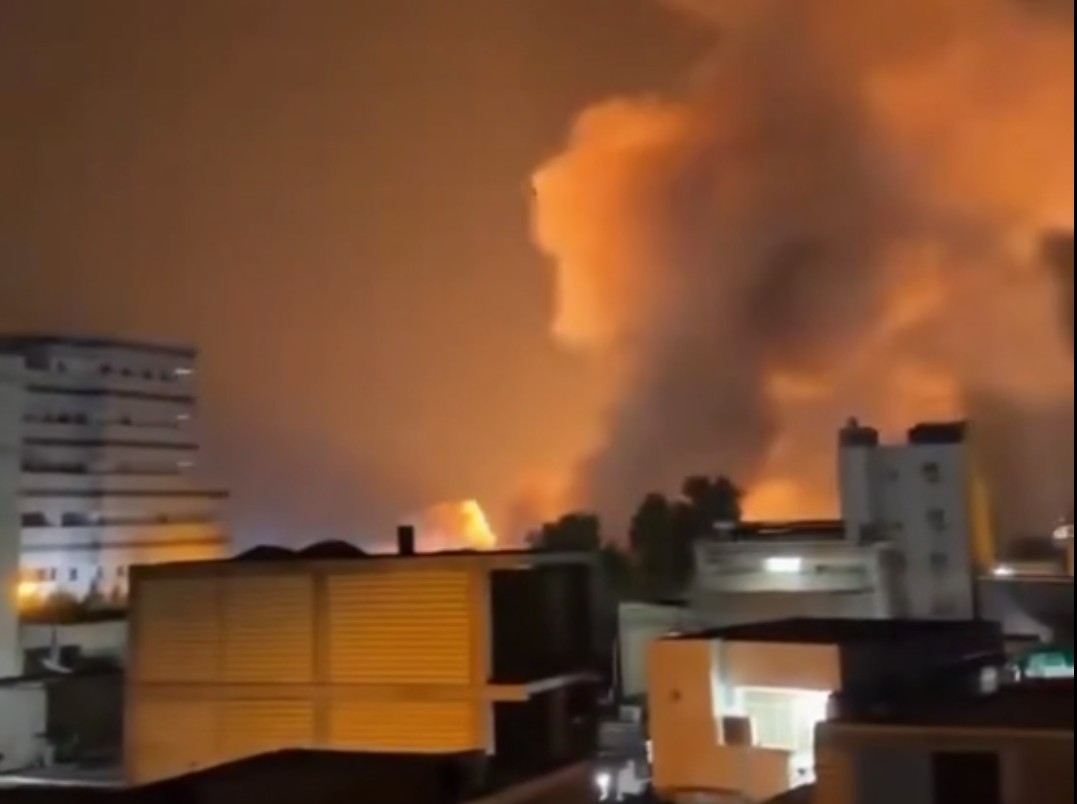
Iran's Islamic Revolutionary Guard Corps has claimed responsibility for attacks on US military bases in Kuwait and Bahrain, issuing a statement on Wednesday, January 8th. The Iranian armed forces also warned of expanding these attacks to other American bases in the region if the United States launches further strikes. This escalation follows US President Donald Trump's announcement of new American attacks against Iran, which he described as retaliation for Iran's alleged bombing of commercial vessels in the Strait of Hormuz. Trump threatened to intensify the offensive if Tehran attacks ships again, posting videos he claimed showed new US strikes. Earlier, the US Central Command (Centcom) confirmed a new round of bombings against Iranian targets, stating the operation aimed to degrade Iran's capability to threaten freedom of navigation in the Strait of Hormuz. The US government asserted these actions hold Iran accountable for "recent unjustified aggression" against commercial ships and civilian crews. Explosions were reported in Jask, Bushehr, Bandar Abbas, and Sirik, as well as on Abu Musa Island. Iranian state TV indicated that shrapnel from American projectiles hit a hospital in Chabahar, with no immediate reports of casualties. Iranian state media also reported that two Iranian ports were struck, and power was cut in the Chabahar region. Iran's state press further indicated the country's armed forces are prepared for a "massive" assault on US military bases in the Middle East. These developments occurred shortly after Trump declared a peace deal with Iran "over" and threatened further action, though he also expressed a desire to avoid escalating to cutting off power and water systems. Despite a peace agreement announced in June, the US and Iran have exchanged attacks in recent weeks, with US forces bombing southern Iran after accusing Tehran of attacking three commercial vessels in the Strait of Hormuz on Tuesday, January 7th. Iranian Foreign Minister Abbas Araghchi responded to Trump's threats, stating Iran would reply with firm actions and emphasizing the Iranian people's civility and strong moral values, contrasting it with Trump's derogatory remarks about Iranian leaders.
The escalating military exchanges between Iran and the United States, involving strikes on military bases and commercial shipping, highlight a dangerous cycle of retaliation. The US actions, framed as a response to Iranian aggression in the Strait of Hormuz, aim to deter future attacks and uphold freedom of navigation, while Iran's counter-threats suggest a willingness to broaden the conflict. This situation underscores the fragility of regional stability and the potential for miscalculation to trigger wider hostilities. Future de-escalation will likely depend on diplomatic channels and the perceived strategic calculus of both nations, considering the complex geopolitical landscape and the potential for unintended consequences in the broader Middle East.
AI-generated to prompt reflection — not editorial opinion, not advice, not a statement of fact. How this works.