Iran Threatens Retaliation, Places Truce Continuation on US
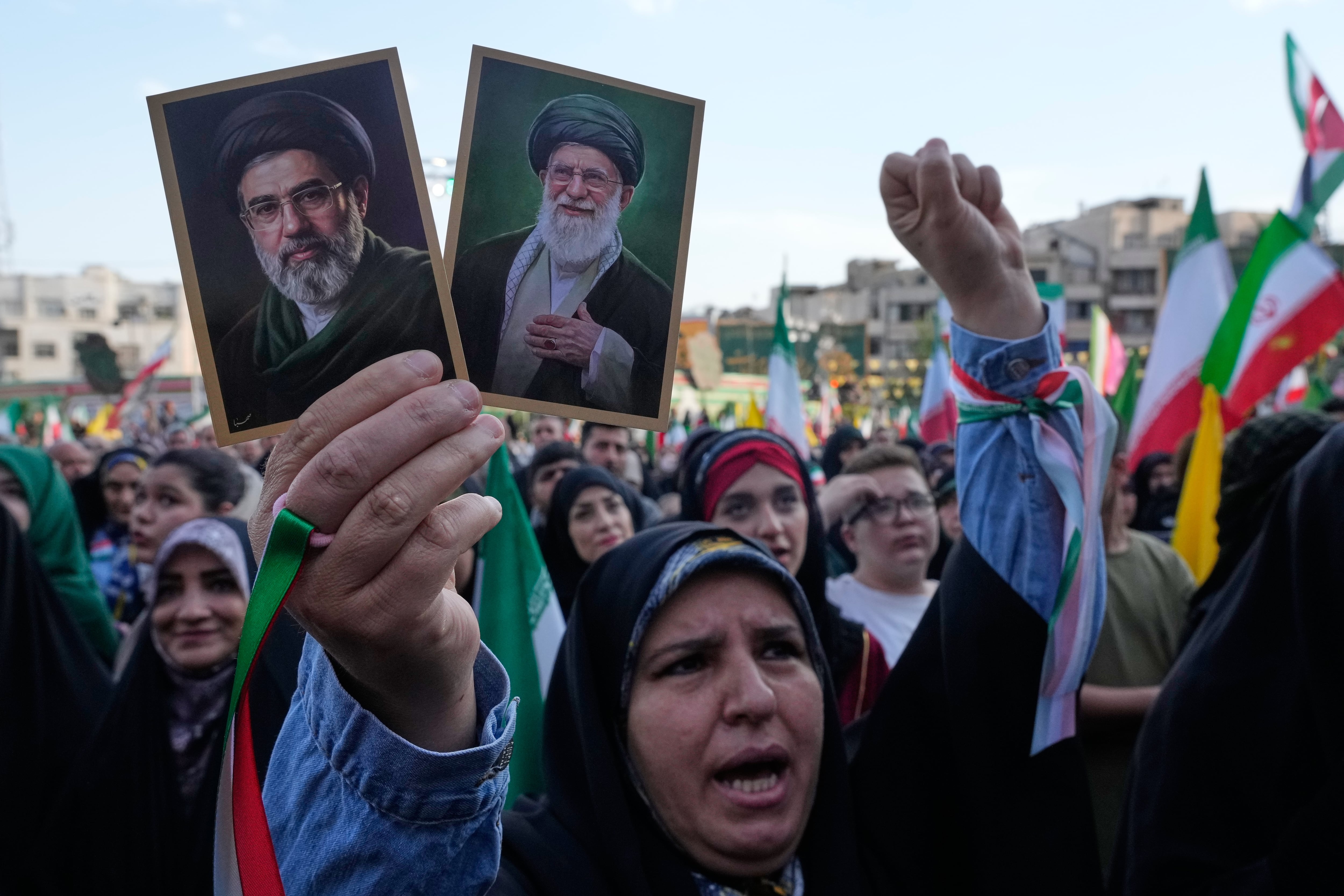
Tehran has declared that it will halt its operations if Washington ceases its bombings. This statement comes amid a fragile pause in hostilities, which presents an opportunity for diplomatic engagement. However, the situation continues to maintain tension in the Gulf region. The ongoing uncertainty also has implications for energy markets. Iran's stance suggests a conditional de-escalation, where the continuation of the truce is directly linked to US actions. The delicate balance highlights the precarious nature of regional stability and the potential for renewed conflict. The international community is closely monitoring the developments, hoping for a diplomatic resolution to prevent further escalation.
Iran's conditional de-escalation strategy appears to leverage US actions as a direct determinant of regional stability. This approach frames the conflict as a reciprocal exchange, potentially complicating diplomatic efforts by demanding specific concessions. The resulting market uncertainty underscores the interconnectedness of geopolitical tensions and global energy security. Future diplomatic frameworks might benefit from exploring mechanisms that decouple regional security from immediate retaliatory cycles, fostering more predictable and sustainable peace.
AI-generated to prompt reflection — not editorial opinion, not advice, not a statement of fact. How this works.