Iran Threatens Strait of Hormuz Closure Amid Renewed US Tensions
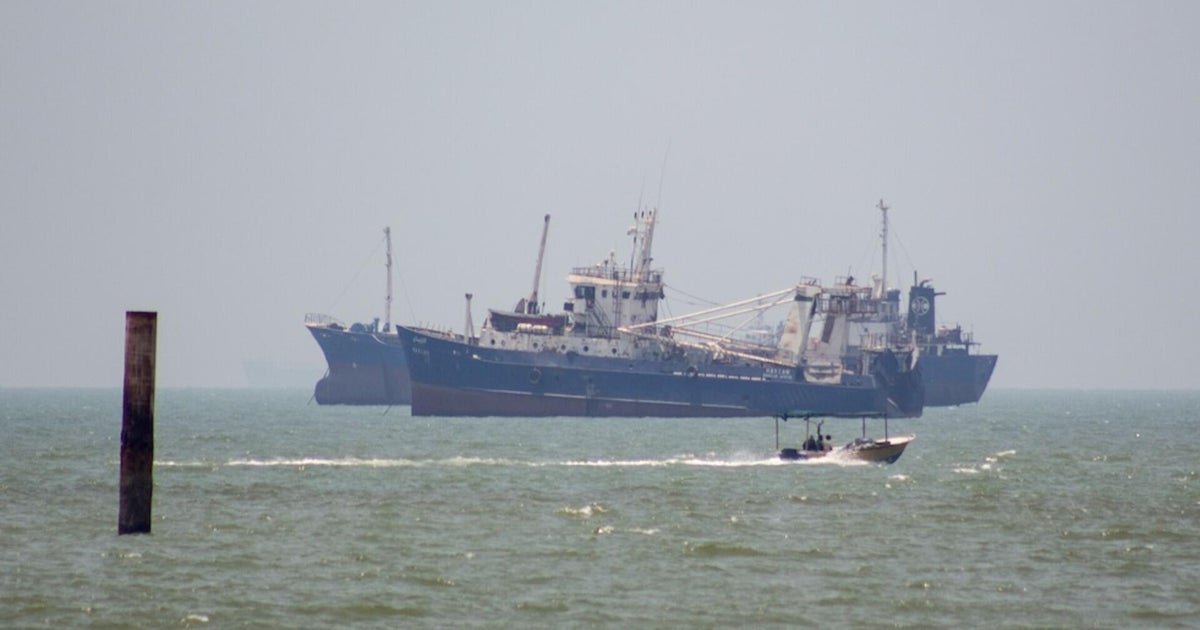
Iran has escalated its threats to close the Strait of Hormuz, a critical chokepoint for global oil transport. This development comes as tensions between Iran and the United States have re-ignited. The renewed threats follow President Trump's declaration that the existing U.S.-Iran ceasefire has officially ended. The situation was further detailed by CBS News national security analyst Aaron MacLean. The Strait of Hormuz is a vital waterway, and any disruption to its traffic could have significant global economic repercussions, particularly for oil-producing nations and global energy markets. The renewed bellicose rhetoric from Iran suggests a potential for increased naval activity or confrontation in the Persian Gulf region.
The renewed threats from Iran regarding the Strait of Hormuz highlight the persistent geopolitical leverage available to states controlling vital maritime passages. This strategic posturing often serves to offset conventional military disadvantages and influence international diplomatic and economic policies. The cyclical nature of these tensions, tied to U.S. policy shifts, suggests that de-escalation may depend on sustained, predictable diplomatic engagement rather than reactive measures. Looking ahead, the increasing reliance on global trade and energy flows means that such threats carry substantial economic weight, potentially impacting global markets and incentivizing alternative energy routes or supply chains over the long term.
AI-generated to prompt reflection — not editorial opinion, not advice, not a statement of fact. How this works.