Iran Threatens Strait of Hormuz Shipping After US Strikes; Trump Warns of Escalation
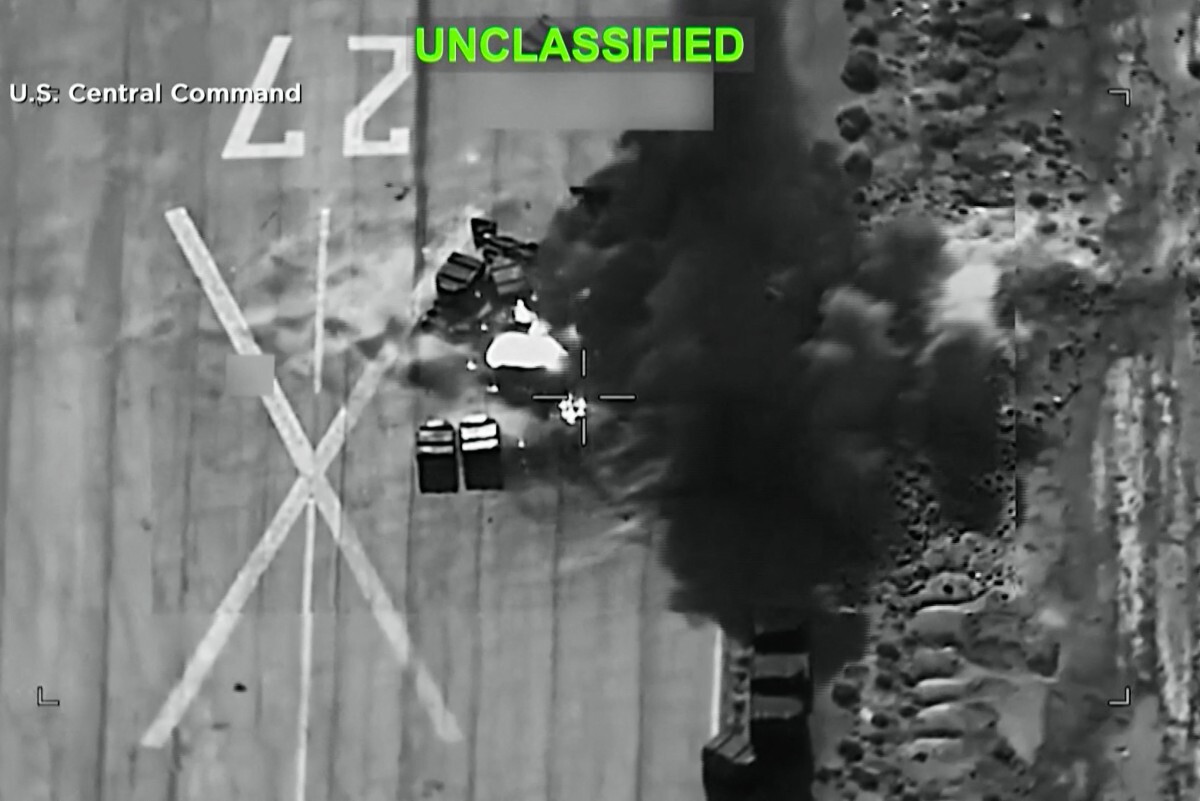
Iran has announced its intention to impose tolls on vessels navigating the Strait of Hormuz, a move seen as a direct challenge to Washington following recent US attacks. The Iranian government has denounced these actions, labeling them a war crime. In response to the escalating tensions, former US President Donald Trump stated that the situation could "be much worse." Despite Iran's defiant stance and threats concerning maritime traffic in the crucial waterway, global oil prices have remained stable. This indicates that the market is not currently anticipating significant disruptions to oil supply originating from the region.
The Iranian government's threat to charge tolls in the Strait of Hormuz, following US strikes and its subsequent denouncement of these as war crimes, presents a complex geopolitical and economic challenge. This action can be interpreted as an attempt to leverage control over a critical global chokepoint to exert political pressure and potentially generate revenue. The market's stable oil prices suggest a current assessment that supply chains may be resilient or that other production sources can compensate for potential disruptions. However, the inherent volatility of such strategic waterways means that future price fluctuations remain a significant risk, dependent on diplomatic outcomes and the effectiveness of international maritime law enforcement.
AI-generated to prompt reflection — not editorial opinion, not advice, not a statement of fact. How this works.