Iran Threatens to Block Bab-el-Mandeb Strait, Vital for 12% of Global Maritime Trade
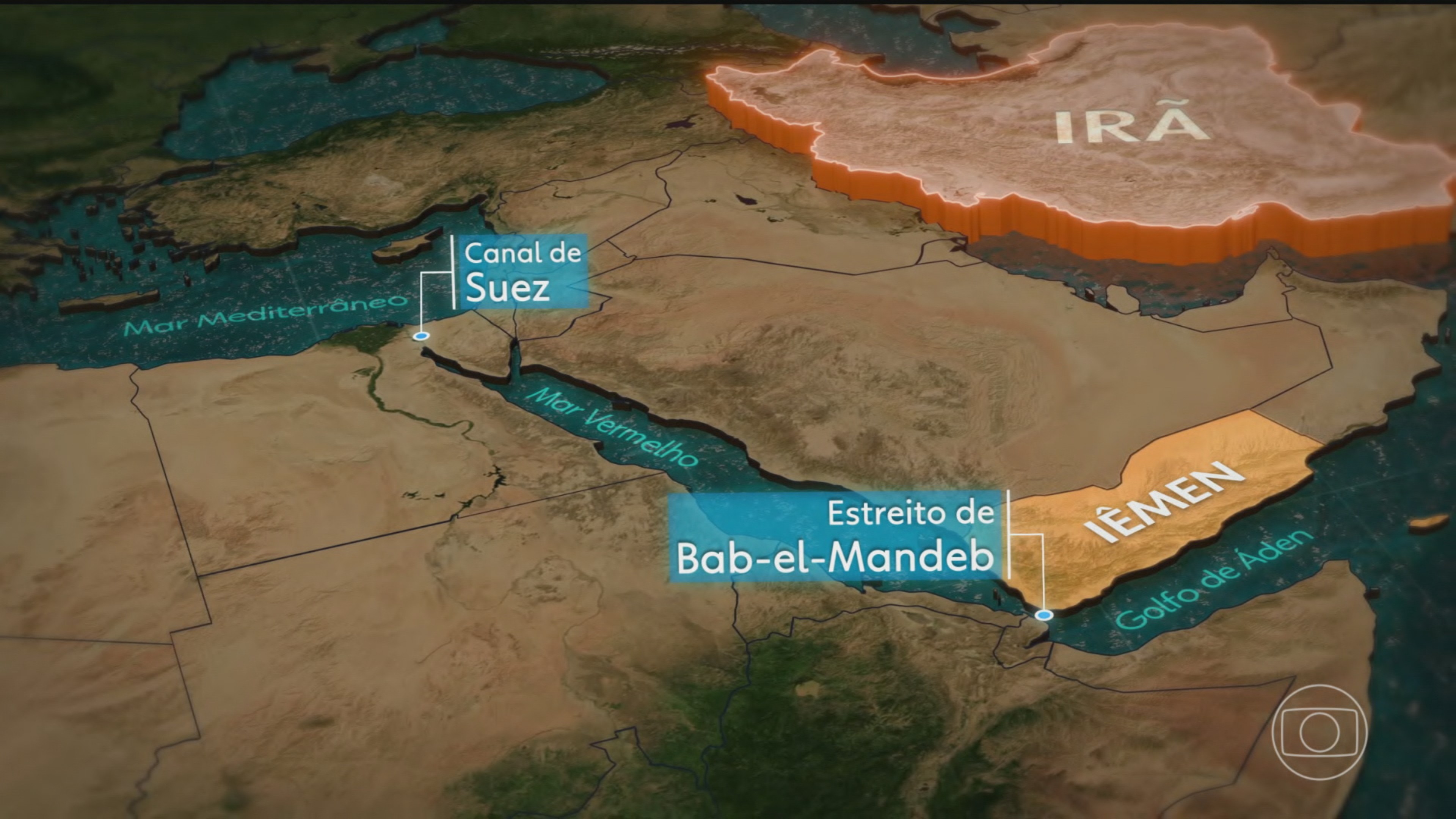
Amid escalating tensions with the United States, Iran has threatened to close another critical global shipping route, the Bab-el-Mandeb Strait. This potential closure comes on the fifth consecutive day of exchanges between Iran and the U.S., marking a new phase in the conflict focused on controlling key maritime passages in the Persian Gulf. The Iranian Revolutionary Guard Corps has warned of shutting down "all export corridors that benefit the United States and its allies." The Bab-el-Mandeb Strait, located off the coast of Yemen, connects the Gulf of Aden to the Red Sea and is a crucial link to the Mediterranean Sea via the Suez Canal. Approximately 12% of the world's maritime trade passes through this vital chokepoint. The region is already destabilized by Yemen's civil war, with an Iran-backed faction having previously attacked commercial vessels. While U.S. forces have targeted Iranian military and naval installations, Iran's ability to control the Strait of Hormuz remains a key objective for U.S. President Donald Trump. Trump has vowed to keep the Strait of Hormuz open and has reimposed military blockades on ships bound for Iranian ports. U.S. military officials reported conducting strikes on Iranian defense systems and cruise missile bases near the Strait of Hormuz. Iran, in turn, claims to have attacked U.S. military facilities in Jordan, Kuwait, and Bahrain. President Trump has threatened further escalation unless Iran returns to negotiations, but Iran has stated it has no plans to resume talks, accusing the U.S. of violating a previous agreement.
The escalating rhetoric and actions surrounding maritime chokepoints like the Bab-el-Mandeb and Hormuz straits highlight the strategic importance of global trade routes. Iran's threats to disrupt shipping, while potentially aimed at exerting leverage and signaling resolve, carry significant economic implications for international commerce. The U.S. response, focused on maintaining freedom of navigation and countering perceived threats, underscores the complex geopolitical dynamics at play. This situation reflects a broader trend where control over critical infrastructure, including energy and trade corridors, becomes a central element in interstate rivalries. The potential for miscalculation or escalation remains high, underscoring the need for de-escalation and diplomatic engagement to prevent wider conflict and safeguard global economic stability.
AI-generated to prompt reflection — not editorial opinion, not advice, not a statement of fact. How this works.