Iran Threatens Ukraine After Caspian Sea Ship Attack, Raising War Merger Fears
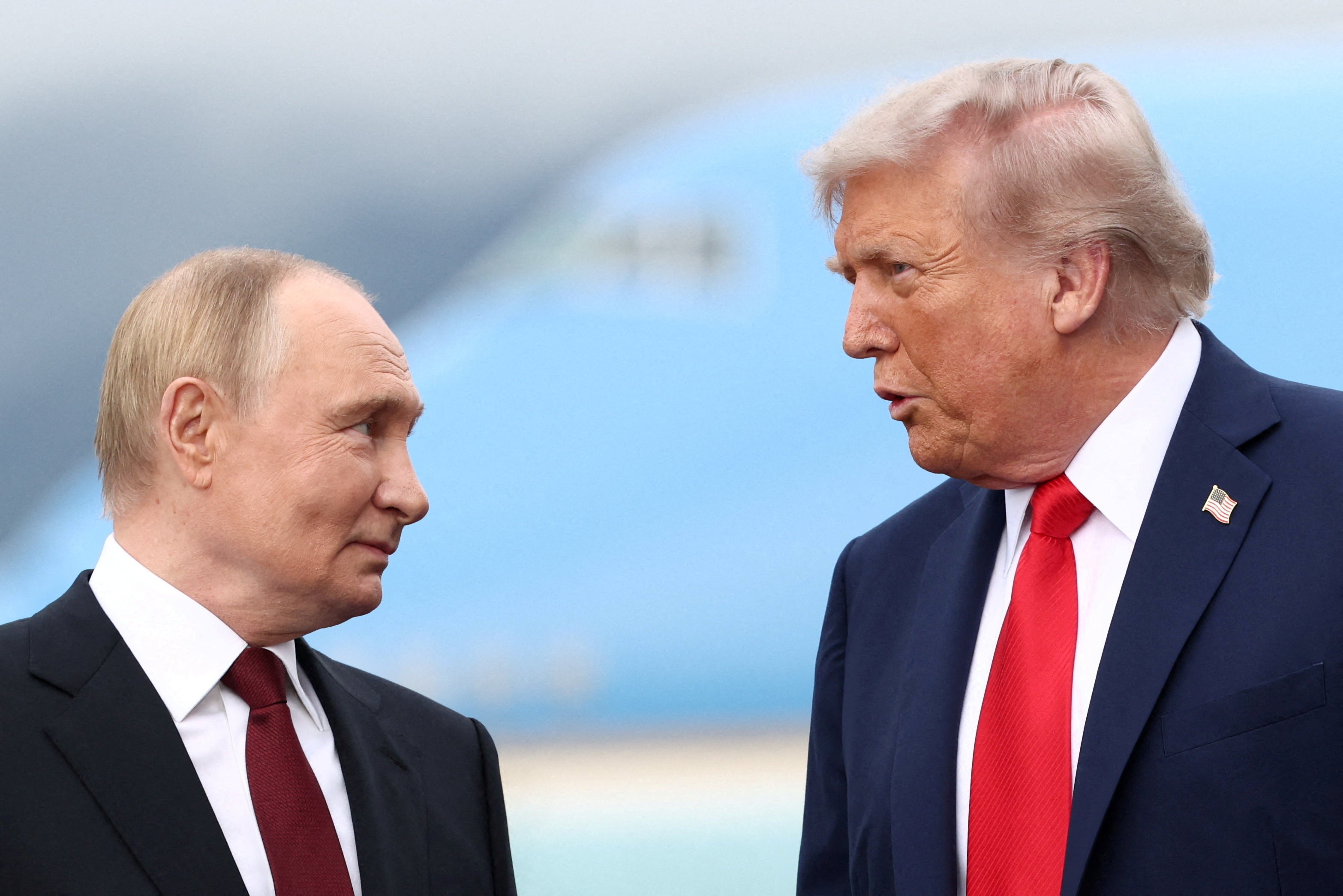
Tensions between Iran and Ukraine have escalated following a Ukrainian attack on an Iranian commercial vessel in the Caspian Sea on Saturday, February 25th. Iran's Foreign Minister, Abbas Araghchi, stated on Sunday, February 26th, that the action "cannot go unanswered," fueling concerns about a potential convergence of conflicts in the Middle East and Eastern Europe. The Iranian government described the incident as a "hostile and criminal" act, reporting one sailor killed and another injured, and accused Kyiv of attempting to broaden the war in Ukraine. Araghchi further alleged that Ukraine acted on behalf of Israel to draw Europe into the Middle Eastern conflict, specifically implicating Ukrainian President Zelensky in the attack on the commercial vessel. Simultaneously, Ukrainian President Volodymyr Zelensky claimed that Russia is providing Iran with satellite intelligence on Middle Eastern military positions, allegedly for planning attacks. Zelensky stated that Russian satellites had recently monitored four military bases in Bahrain, Jordan, and Kuwait, where Iran has launched attacks on U.S. interests in recent weeks. U.S. President Donald Trump indicated he would question Russian President Vladimir Putin regarding these allegations. Analysts are discussing the possibility of these separate conflicts merging, a scenario where Russia and the U.S. could become directly involved. However, experts like Uriã Fancelli, a master's in international relations, suggest neither Russia nor the U.S. has an interest in unifying the conflicts, as the costs of such a merger would be too high for any single actor. He posits that each government is instrumentalizing the link between the wars for their own benefit without fully assuming responsibility. Despite the current separation, elements of these conflicts are already intertwined, with Moscow using Iranian-developed drones in Ukraine and Kyiv utilizing U.S.-supplied defense systems. Ukraine has also offered assistance in intercepting Iranian drones in the Middle East, citing its expertise. Recent reports suggest Russia may have aided Iran in improving drone accuracy and target selection for attacks on U.S. intelligence facilities in the Middle East. The European Union reportedly believes pressuring Russia could weaken Iran's capacity to attack U.S. interests, though it resists NATO involvement against Iran. Iran, conversely, aims to divide the Western bloc by portraying Ukraine as an Israeli proxy, while Russia seeks to manage its support for Iran to distract and exhaust the U.S. through "managed chaos." Fancelli believes the primary safeguard against a unified war is the self-interest of all involved parties, as they benefit more from two separate, coupled conflicts than a single, merged one. However, he warns this balance is fragile, and the recent Ukrainian attack on the Iranian ship demonstrates how escalation can spiral out of control, potentially forcing supporting nations to commit more deeply and leading to an accidental unification of the wars.
The escalating tensions between Iran and Ukraine, amplified by alleged Russian involvement and the potential for broader conflict escalation, highlight the complex geopolitical maneuvering occurring across multiple theaters. While direct unification of the Middle Eastern and Eastern European conflicts appears unlikely due to the prohibitive costs and strategic risks for major powers like the U.S. and Russia, the interconnectedness of these events presents a volatile landscape. The current dynamic suggests a strategy of "managed chaos," where actors leverage proxy conflicts and shared technologies, such as drones, to achieve strategic objectives without direct confrontation. This approach, while offering tactical advantages, carries inherent risks of unintended escalation, as demonstrated by the recent Caspian Sea incident. The future trajectory will likely depend on whether diplomatic channels can contain localized escalations or if miscalculation and the pursuit of individual state interests lead to a more generalized, albeit unplanned, conflagration.
AI-generated to prompt reflection — not editorial opinion, not advice, not a statement of fact. How this works.