Iran to Receive Up to 400 Chinese Anti-Aircraft Missile Systems
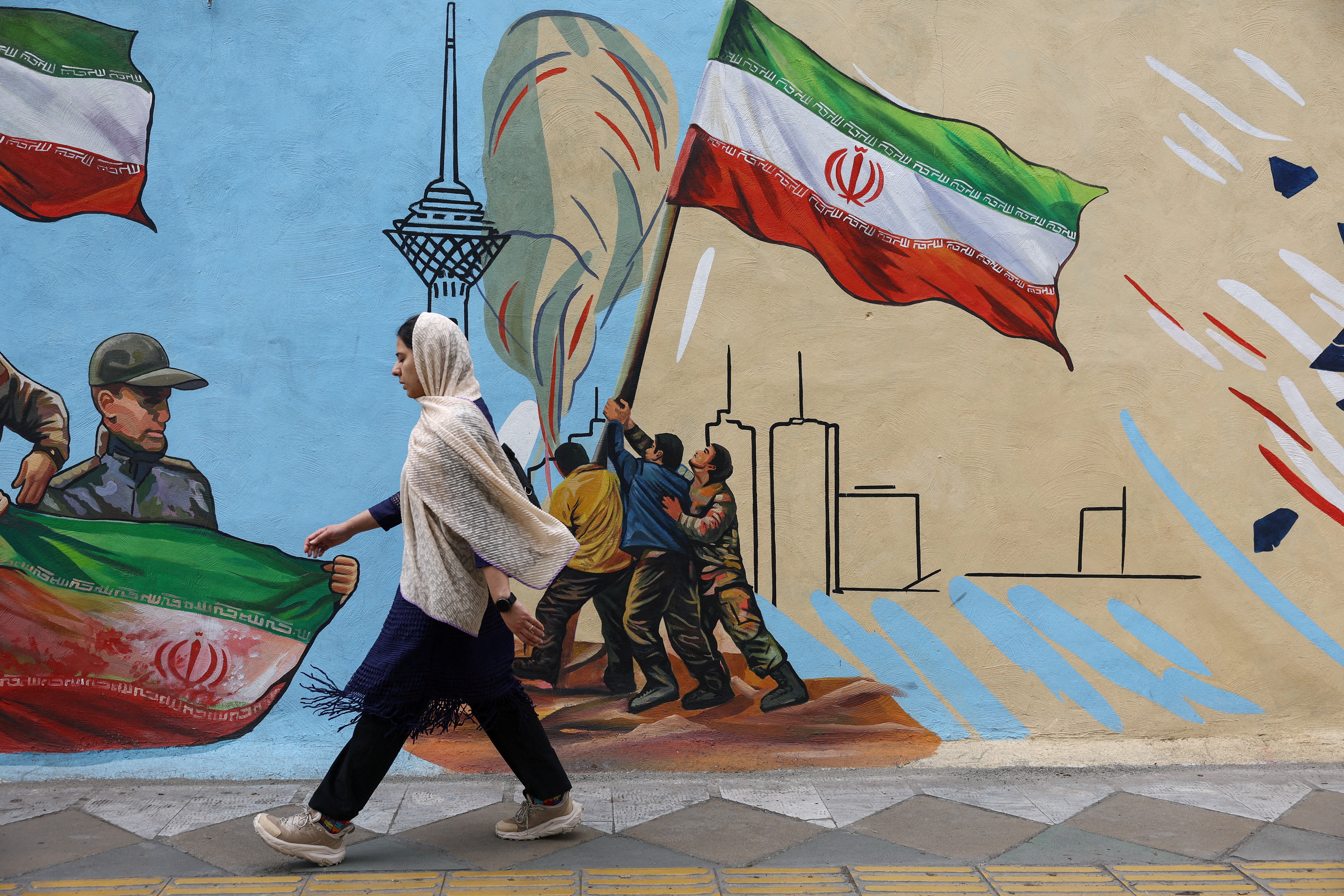
Iran is reportedly set to receive its first shipment of up to 400 Chinese-made portable anti-aircraft missile launchers within the coming weeks, according to three sources familiar with the deal cited by Reuters. This acquisition, valued between $60 million and $70 million, represents a significant effort by Tehran to bolster its air defenses following prolonged conflict with the United States and Israel. The contract, one of the largest known for enhancing Iran's short-range air defenses since the conflict began, aims to address vulnerabilities exposed in protecting military installations and strategic infrastructure.
The deal includes between 300 and 400 portable anti-aircraft defense systems (MANPADS), specifically the Chinese QW-12 and FN-16 models. These shoulder-fired, infrared-guided missiles are designed to target low-altitude aircraft, helicopters, and drones, offering rapid deployment capabilities for critical sites. The transaction was reportedly facilitated by Zhongqing Baoshang International Investment, a Hong Kong-based firm acting as an intermediary. While Iran's Foreign Ministry has not commented, China's Ministry of Foreign Affairs has denied the reports, stating that China consistently promotes peace and conflict resolution.
The planned delivery route involves air transport from Urumqi, China, to Pakistan, with the subsequent transit to Iran. However, the mode of transport from Pakistan to Iran remains unclear. Pakistan's military has denied any involvement in facilitating this arms transfer, calling such speculation "totally false and invented." If completed, the delivery of these MANPADS would substantially expand Iran's short-range air defense capabilities and signal deepening military cooperation between China and Iran, although final quantities and delivery schedules are subject to change.
This reported arms deal highlights the complex geopolitical dynamics and evolving defense strategies in a region marked by protracted conflict. The acquisition of advanced MANPADS by Iran, if confirmed, suggests a strategic pivot towards enhancing defensive capabilities against aerial threats, potentially influenced by recent military engagements. The involvement of Chinese manufacturers and Hong Kong intermediaries points to intricate international supply chains and the challenges in monitoring arms transfers. Such developments can be analyzed through the lens of deterrence theory and the broader implications for regional stability, as increased military capacity on one side often prompts reciprocal actions from adversaries. The denial from China and Pakistan underscores the sensitivity surrounding such transactions and the careful navigation of international sanctions and diplomatic relations. Future developments will likely be shaped by the interplay of national security imperatives, international arms control frameworks, and the ongoing strategic competition among global powers.
AI-generated to prompt reflection — not editorial opinion, not advice, not a statement of fact. How this works.