Iran Upholds Hormuz Strait Restrictions Amidst Trump's Claims
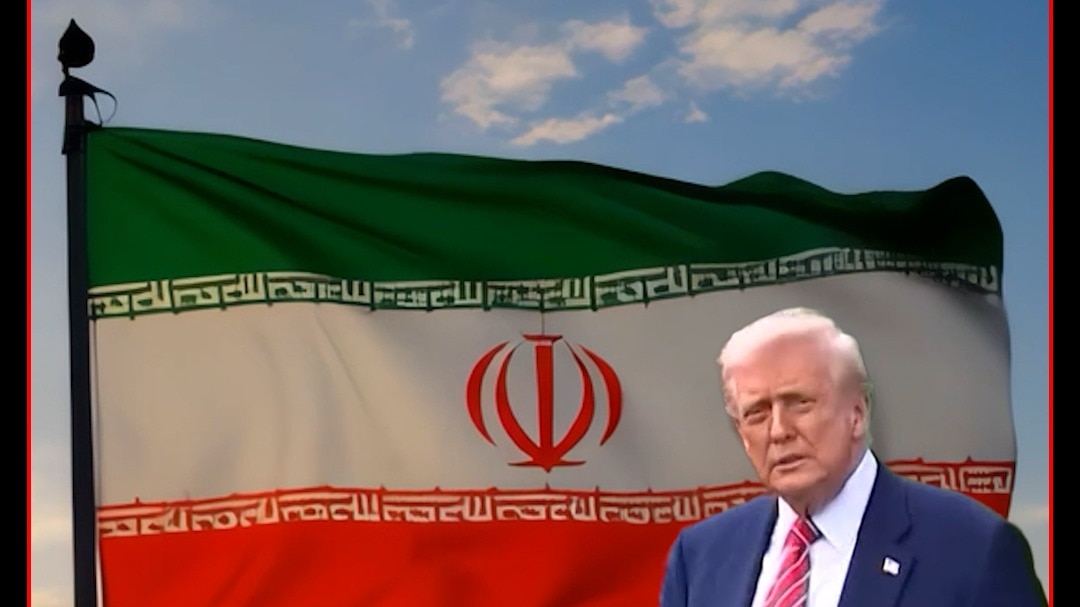
Iran has clarified its stance on the Strait of Hormuz, stating that existing restrictions will remain in place as long as American actions continue. The movement of ships through the vital waterway will be governed by established regulations. This declaration comes despite signals from U.S. President Donald Trump suggesting a potential de-escalation or agreement to prevent conflict. Currently, no formal agreement has been confirmed by either side. Iran's position indicates a continued assertion of control over the strait's maritime traffic under its existing framework. The situation highlights ongoing tensions and differing approaches to regional security and navigation rights between Iran and the United States. The international community continues to monitor developments closely, particularly concerning freedom of navigation and potential impacts on global trade.
Iran's assertion of continued restrictions at the Strait of Hormuz, despite potential U.S. overtures for de-escalation, suggests a strategic posture prioritizing national sovereignty and control over critical maritime chokepoints. This move may reflect an incentive to leverage its geographic position to influence broader geopolitical negotiations, potentially seeking concessions or a formal recognition of its maritime authority. The divergence between U.S. presidential signals and Iran's firm adherence to existing regulations underscores the complex dynamics of international diplomacy, where stated intentions must align with verifiable actions and established protocols. Looking ahead, the interplay between unilateral actions and multilateral agreements in such strategic waterways will continue to shape regional stability and global trade routes, particularly as technological advancements and evolving geopolitical landscapes introduce new variables.
AI-generated to prompt reflection — not editorial opinion, not advice, not a statement of fact. How this works.