Iran-US Conflict Highlights Resurgence of Persian Language Interest in Tajikistan
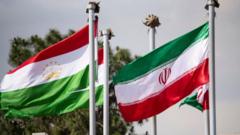
The recent conflict between the United States and Iran, alongside Israel's involvement, has brought to light lesser-known aspects of the relationship between Iran and Tajikistan. During this period, a notable degree of sympathy for Iran was observed within segments of Tajik society. This sentiment was particularly evident among individuals active in the fields of literature, art, culture, and media. These groups demonstrated a heightened engagement with Iranian culture and perspectives, suggesting a strengthening of linguistic and cultural ties. The events underscore the complex geopolitical influences that can shape national identity and cultural affinity in Central Asia. This renewed interest in the Persian language and its cultural heritage within Tajikistan appears to be a direct consequence of these international dynamics. The situation indicates a growing appreciation for shared linguistic roots and cultural heritage, potentially fostering deeper bilateral connections.
Geopolitical tensions involving Iran and major global powers can inadvertently foster cultural and linguistic solidarity in neighboring nations. The observed resurgence of interest in the Persian language within Tajikistan, particularly among cultural and media professionals, suggests that external conflicts can amplify existing cultural affinities. This phenomenon highlights the delicate interplay between international relations and soft power, where shared heritage can become a focal point during times of heightened global scrutiny. Future trends may see such cultural connections leveraged more strategically by regional actors, potentially influencing diplomatic and economic ties over the next decade.
AI-generated to prompt reflection — not editorial opinion, not advice, not a statement of fact. How this works.