Iran-US Conflict Highlights Revival of Persian Language in Tajikistan
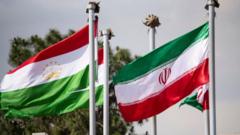
The recent conflict involving the United States and Iran has brought to light lesser-known aspects of the relationship between Iran and Tajikistan. During this period, a notable degree of sympathy for Iran was observed within segments of Tajik society. This sentiment was particularly evident among individuals active in the fields of literature, art, culture, and media. The events underscored a cultural and linguistic connection that persists between the two nations, despite geopolitical complexities. This renewed attention to shared heritage suggests a potential strengthening of ties, particularly in cultural and academic spheres. The engagement from cultural figures indicates a desire to foster closer relations rooted in common linguistic and historical backgrounds. Such developments could influence Tajikistan's cultural landscape and its engagement with Persian-speaking communities globally. The solidarity expressed by Tajik cultural activists points to the enduring influence of Persian language and culture.
Geopolitical tensions between Iran and the US, alongside regional conflicts involving Israel, have inadvertently amplified the visibility of the Persian language and cultural ties within Tajikistan. This phenomenon suggests that shared linguistic heritage can serve as a powerful, albeit latent, force in regional identity formation, potentially influencing cultural policy and public discourse. The engagement from Tajik cultural figures highlights the complex interplay between national identity, historical connections, and contemporary international relations. As global dynamics evolve, the resilience of cultural bonds, particularly those rooted in language, may offer avenues for soft power and cross-cultural understanding, independent of political alignments. This trend warrants monitoring for its implications on regional cultural cohesion and the broader influence of Persianate culture in Central Asia over the next decade.
AI-generated to prompt reflection — not editorial opinion, not advice, not a statement of fact. How this works.