Iran-US Tensions Escalate in Middle East, Impacting India
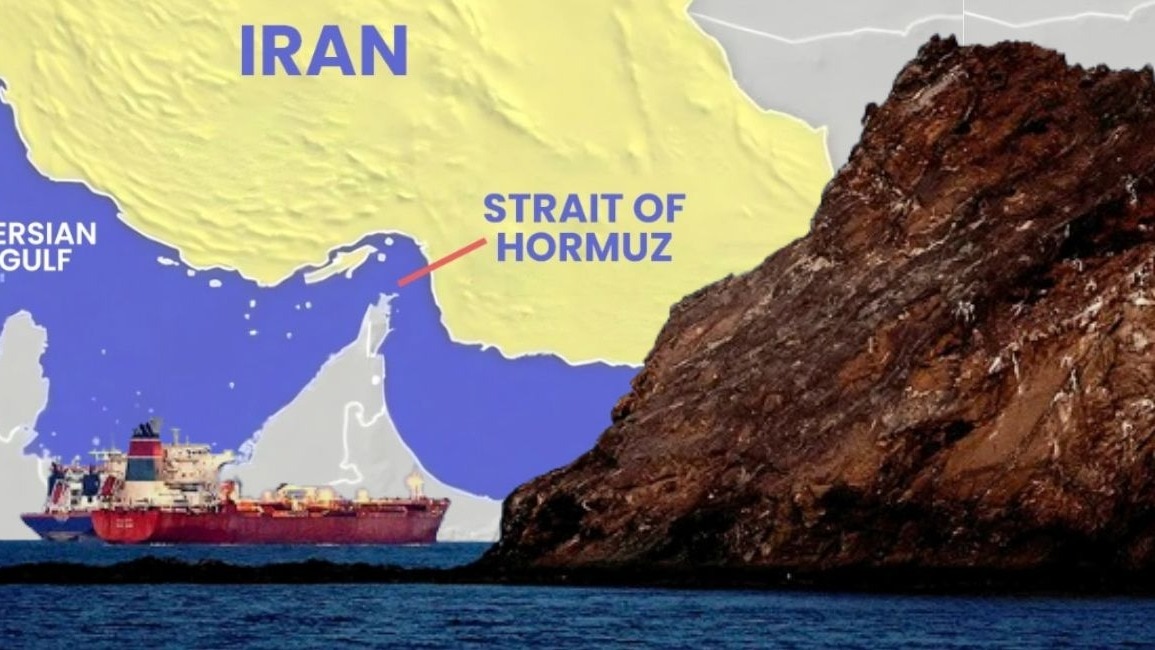
Tensions have flared in the Middle East, with the United States reportedly launching attacks on over 300 Iranian military targets. In response, Iran has closed the Strait of Hormuz and fired missiles towards Gulf countries. This escalating conflict poses significant risks to India's energy security, potentially disrupting oil and gas supplies. Furthermore, the situation directly affects the millions of Indian citizens residing in the Gulf region. The closure of the Strait of Hormuz, a critical chokepoint for global oil transport, is particularly concerning for international trade and stability. The missile strikes add another layer of volatility to an already precarious geopolitical landscape. India, heavily reliant on Middle Eastern oil, faces the prospect of price hikes and supply shortages. The safety and well-being of the large Indian diaspora in the region are also paramount concerns amidst this heightened military activity. The broader implications for regional stability and global energy markets are substantial.
The escalating military actions between the US and Iran in the Persian Gulf region, including attacks on military sites and the closure of the Strait of Hormuz, represent a significant geopolitical flashpoint. The potential disruption to global oil and gas supplies, particularly impacting energy-importing nations like India, highlights the interconnectedness of global energy markets and regional stability. The presence of a large Indian diaspora in the Gulf further amplifies the direct human and economic stakes for India. This situation underscores the fragility of international trade routes and the complex interplay between political conflict and economic security. Future geopolitical strategies will need to balance national interests with the imperative of maintaining open sea lanes and stable energy flows, considering the long-term implications of such escalations on global supply chains and international relations.
AI-generated to prompt reflection — not editorial opinion, not advice, not a statement of fact. How this works.