Iran-US Tensions Escalate with Threats Over Strait of Hormuz
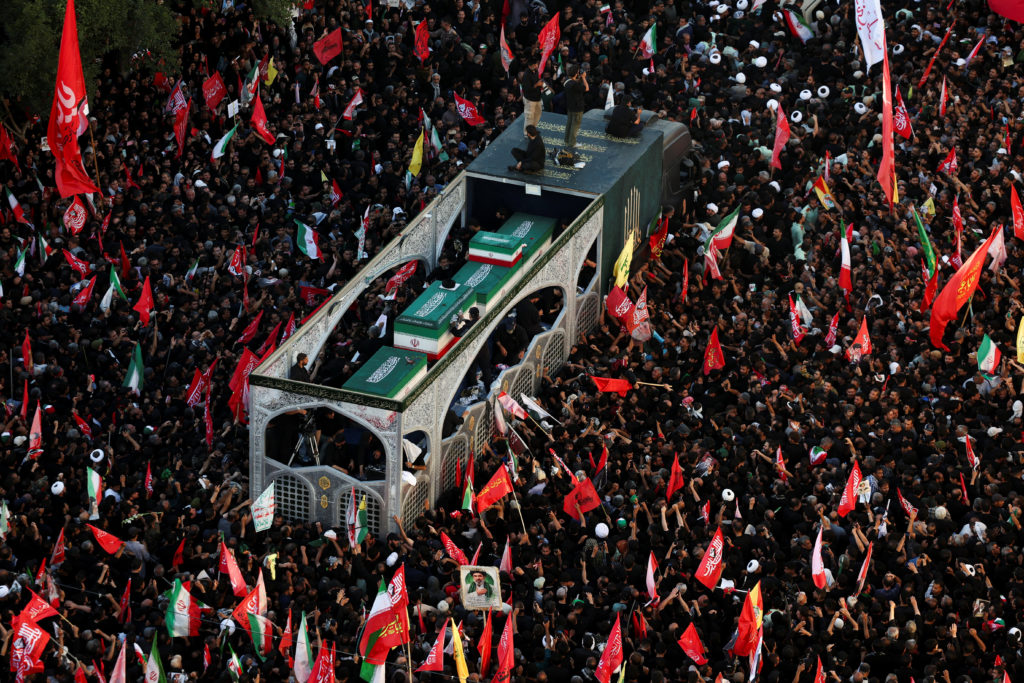
President Donald Trump issued threats of further missile attacks against Iran via social media. These statements followed the funeral of Supreme Leader Ayatollah Ali Khamenei, where calls for the assassination of the U.S. president were openly made. The escalating rhetoric between the United States and Iran raises concerns about the stability of the Strait of Hormuz, a critical global oil transit route. The fate of this vital waterway is now a significant challenge amidst the ongoing diplomatic tensions and direct threats exchanged between the two nations. The situation highlights the volatile nature of the geopolitical landscape in the region and the potential for further escalation.
The exchange of threats between the U.S. and Iran, particularly concerning the Strait of Hormuz, underscores the persistent challenge of managing interstate relations in a region vital to global energy security. The rhetoric, amplified through social media and public forums, reflects underlying strategic competition and differing interpretations of regional security. Future diplomatic efforts will likely need to navigate these heightened public sentiments while addressing core security concerns and de-escalating potential conflict triggers. The long-term implications for global trade and energy markets depend on the ability of both nations to find a stable equilibrium that prioritizes de-escalation over confrontation.
AI-generated to prompt reflection — not editorial opinion, not advice, not a statement of fact. How this works.