Iran-US Tensions Surge: Attacks Escalate, Houthi Blockade Threatens Oil Routes
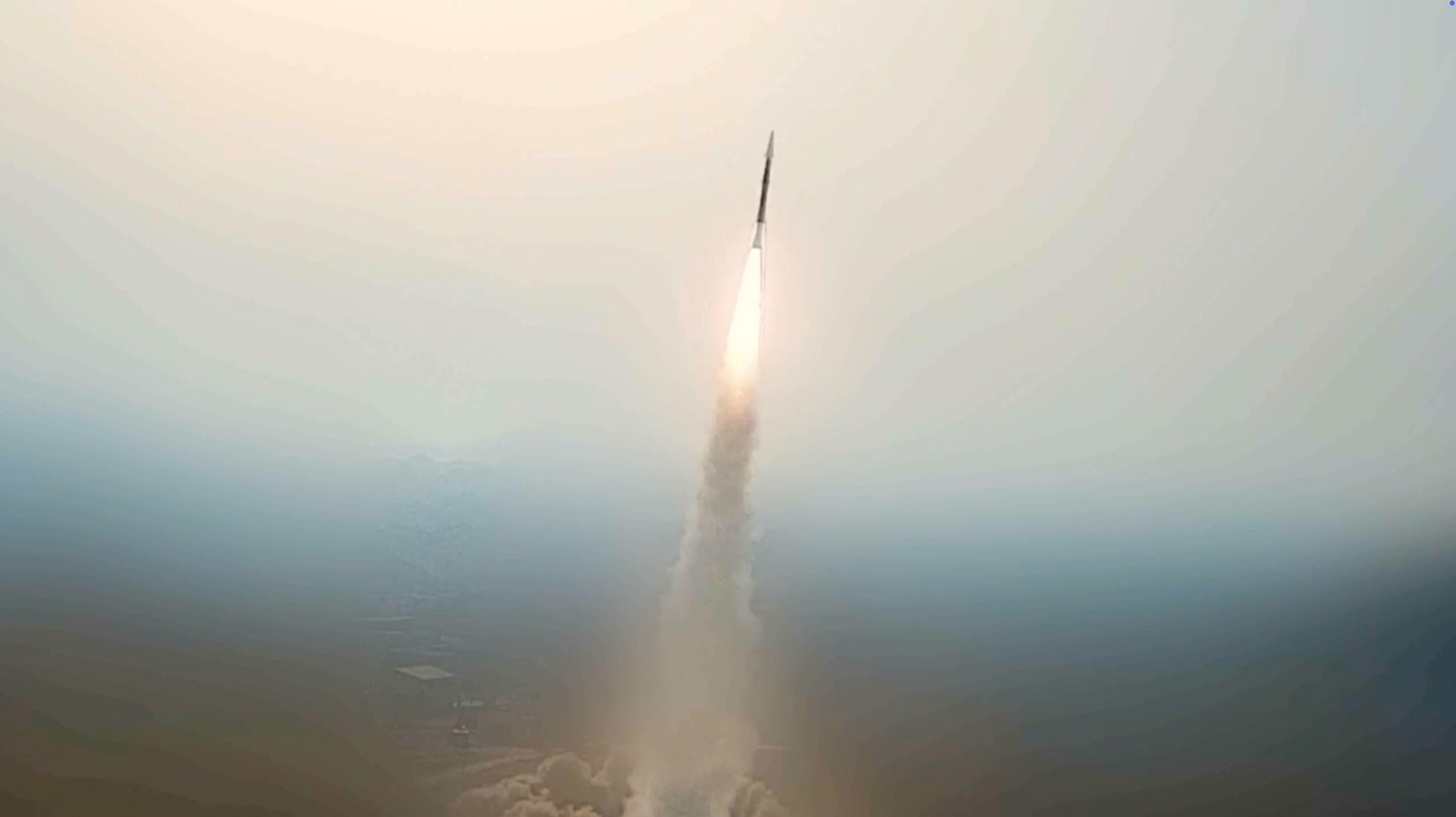
The United States and Iran have engaged in a renewed exchange of attacks and threats, significantly escalating tensions in the Middle East and signaling a potential new phase of conflict. In the early hours of Wednesday, Iranian time, the U.S. conducted its eleventh consecutive night of strikes against Iranian targets, reportedly hitting command centers, air defense systems, and missile and drone launchers. Explosions were reported in Tehran and other cities, including Bushehr, home to Iran's sole nuclear power plant. Prior to these U.S. strikes, Iran had targeted U.S. military installations in Bahrain, Kuwait, and Jordan, and a tanker was struck in the Strait of Hormuz. Iran also claimed to have hit Amazon's data infrastructure in Bahrain. U.S. President Donald Trump indicated a potential strike on "Pickaxe Mountain" near the Natanz nuclear facility, which is believed to house Iran's uranium enrichment infrastructure. In response, Iran's military command vowed to attack U.S. and allied investments if Iranian nuclear facilities are bombed. Iranian health officials reported 50 civilian deaths and 500 injuries from recent U.S. attacks, while the U.S. confirmed 18 military fatalities since the conflict began. Adding another layer of complexity, the Houthi group, controlling parts of Yemen, announced a naval blockade against Saudi Arabia, potentially impacting the Bab el-Mandeb Strait, a critical oil transit route. This move could disrupt oil shipments to Asia and Europe, and has already caused two tankers to alter their course. The escalating conflict has affected international markets, with Brent crude oil prices rising over 2%. Despite the heightened military activity, diplomatic efforts persist, with Iran reportedly receiving a 10-day ceasefire proposal from mediators. Iranian Interior Minister Eskandar Momeni visited Pakistan to encourage continued peace negotiation efforts. Concurrently, U.S. Secretary of Defense Pete Hegseth requested $70 billion from Congress for defense, citing the need to replenish missile stocks and noting that the conflict has already cost the U.S. $37.5 billion.
The recent escalation between Iran and the United States, coupled with the Houthi blockade threat, highlights the complex and interconnected nature of geopolitical instability in the Middle East. The exchange of strikes and retaliatory threats, while framed as military necessity, carries significant risks of unintended consequences and wider regional conflagration. The potential disruption of key global energy chokepoints like the Strait of Hormuz and the Bab el-Mandeb Strait introduces substantial economic volatility, impacting global markets and potentially creating new strategic dependencies. From a systems perspective, the current trajectory suggests a feedback loop where military actions and defensive posturing by state and non-state actors create incentives for further confrontation, rather than de-escalation. The ongoing diplomatic overtures, juxtaposed with substantial defense spending requests, illustrate the persistent tension between war-fighting and conflict resolution mechanisms. Future developments will likely depend on the ability of international mediators to bridge the gap between escalating demands and the imperative for stability, while navigating the inherent strategic interests of all involved parties.
AI-generated to prompt reflection — not editorial opinion, not advice, not a statement of fact. How this works.