Iran-US tit-for-tat attacks in Strait of Hormuz jeopardize potential deal
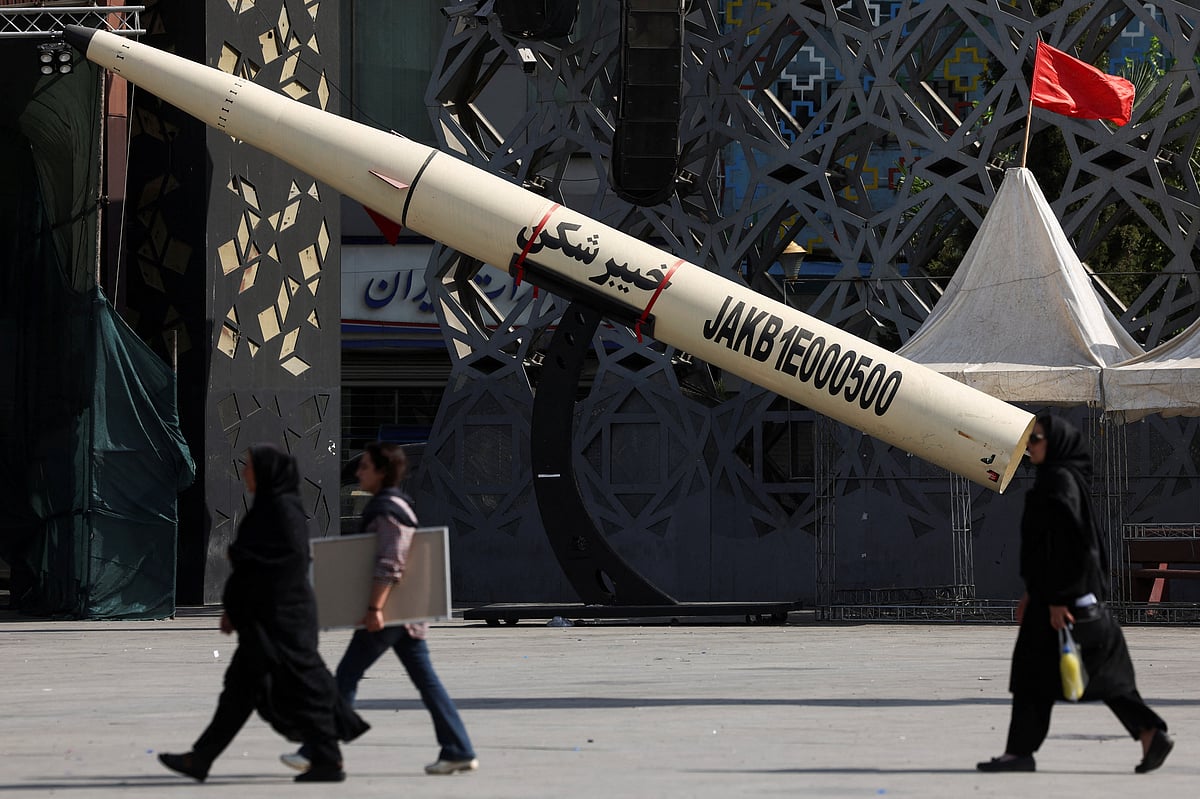
Analysts suggest that recent retaliatory strikes between Iran and the United States in the Strait of Hormuz have already violated the initial terms of a potential memorandum of understanding. The agreement reportedly included provisions for ceasing hostilities, which appear to have been disregarded by the escalating actions of both nations. This dangerous cycle of attacks raises significant concerns about the future prospects for de-escalation and diplomatic progress in the region. The strategic waterway, crucial for global oil transport, has become a flashpoint, increasing the risk of wider conflict. The implications of these violations extend beyond the immediate confrontation, potentially undermining broader efforts to stabilize the geopolitical landscape. Both countries' actions are being closely monitored by international observers due to the potential for severe economic and security repercussions.
The recent exchange of attacks in the Strait of Hormuz presents a critical juncture, potentially undermining any nascent diplomatic efforts. The tit-for-tat actions suggest a breakdown in communication or a deliberate disregard for agreed-upon de-escalation measures. From a systemic perspective, such escalations in strategically vital chokepoints often reflect underlying geopolitical tensions and competition for regional influence. The economic implications for global energy markets are substantial, highlighting the fragility of supply chains when faced with state-level confrontations. Future diplomatic frameworks must incorporate robust verification mechanisms and clear consequences for violations to prevent such destabilizing cycles.
AI-generated to prompt reflection — not editorial opinion, not advice, not a statement of fact. How this works.