Iran Vows Firm Response to Trump's Threats of 'Major Attack'
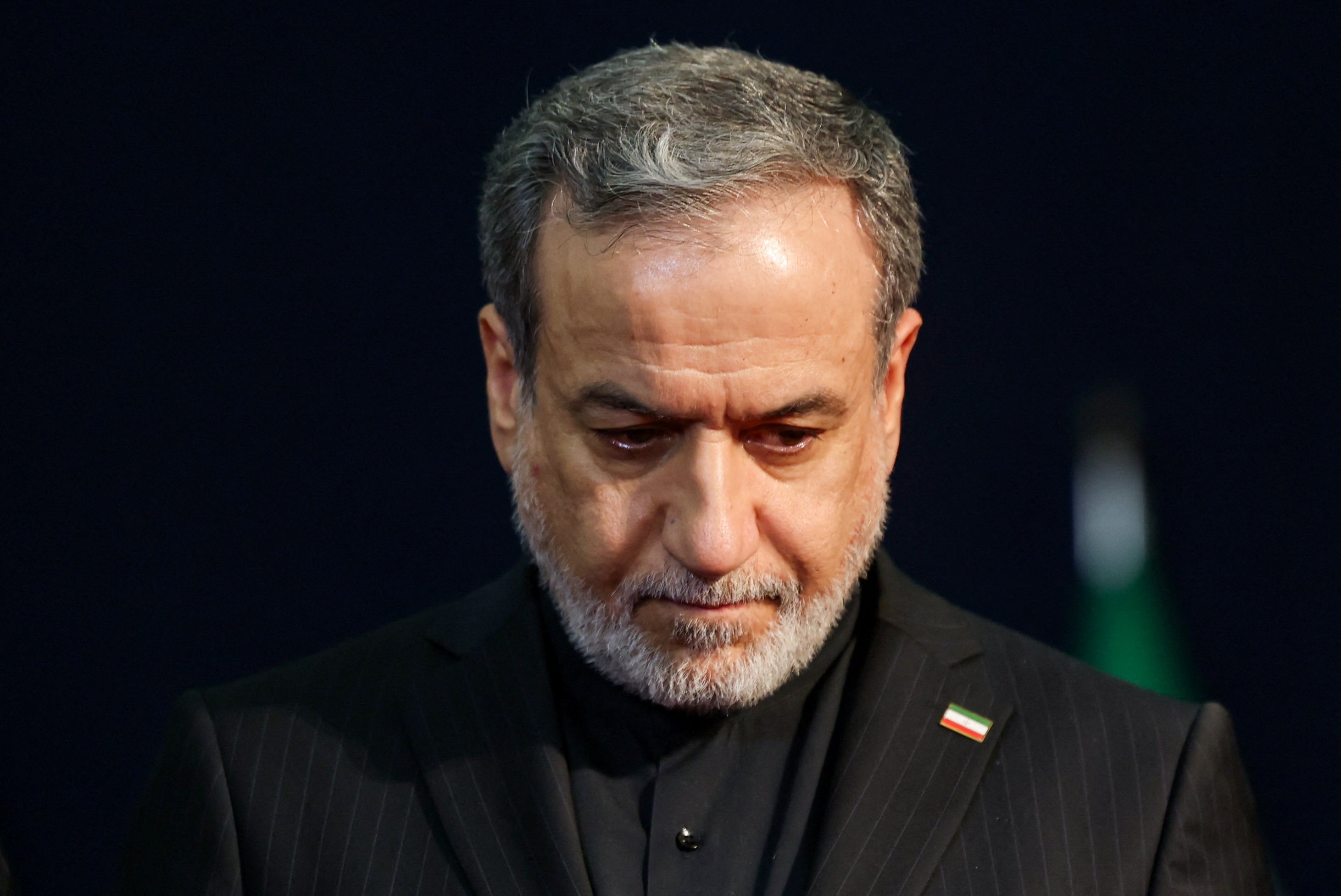
Iran's Foreign Minister, Abbas Araghchi, responded forcefully on Wednesday to President Donald Trump's threats of a "major attack" against the country. Trump had stated that the ceasefire was over and vowed to strike Iran "very hard." Araghchi, via social media, praised the Iranian people's civility and cultural values, asserting that Iran would respond to vulgarity not with more vulgarity, but with "courage and great bravery." This statement was a direct reply to Trump's inflammatory language, which included calling Iranian leaders "scum" and "sick people."
Earlier, Trump had announced his intention to launch a "major attack" against Iran, stating, "I'll give you a little warning: we're going to be hitting them hard tonight." He also mentioned potential targets like power grids and water treatment facilities, though he expressed a desire to avoid such actions. Trump's remarks were contradictory, initially declaring a peace agreement "over" and rejecting dialogue, then moderating his tone to express uncertainty about the agreement's status.
According to Iranian state television Press TV, an anonymous security source indicated that Iran would close the Strait of Hormuz if further attacks occurred. The source also warned of retaliatory strikes against "enemy" targets on at least a two-to-one ratio if Trump's threats materialized. The Strait of Hormuz, a critical global oil transit route, had been reopened following a preliminary understanding between Iran and the U.S. last month. Trump also revealed that Kharg Island, the hub for approximately 90% of Iran's oil exports, was targeted in U.S. attacks on Tuesday, though he ordered that oil reservoirs be spared.
The escalating rhetoric between the U.S. and Iran highlights the persistent challenge of de-escalation in volatile geopolitical regions. The exchange underscores how public statements, particularly from leaders, can significantly influence international relations and potentially trigger retaliatory actions. The strategic importance of chokepoints like the Strait of Hormuz, through which a substantial portion of global oil passes, means that any disruption carries significant global economic implications. Future diplomatic frameworks must consider mechanisms to manage inflammatory language and provide clear channels for communication to prevent miscalculation and unintended escalation, especially in an era where information can spread instantaneously and be amplified by various actors.
AI-generated to prompt reflection — not editorial opinion, not advice, not a statement of fact. How this works.