Iran Vows Retaliation: One US Service Member for Each Iranian Killed in Conflict
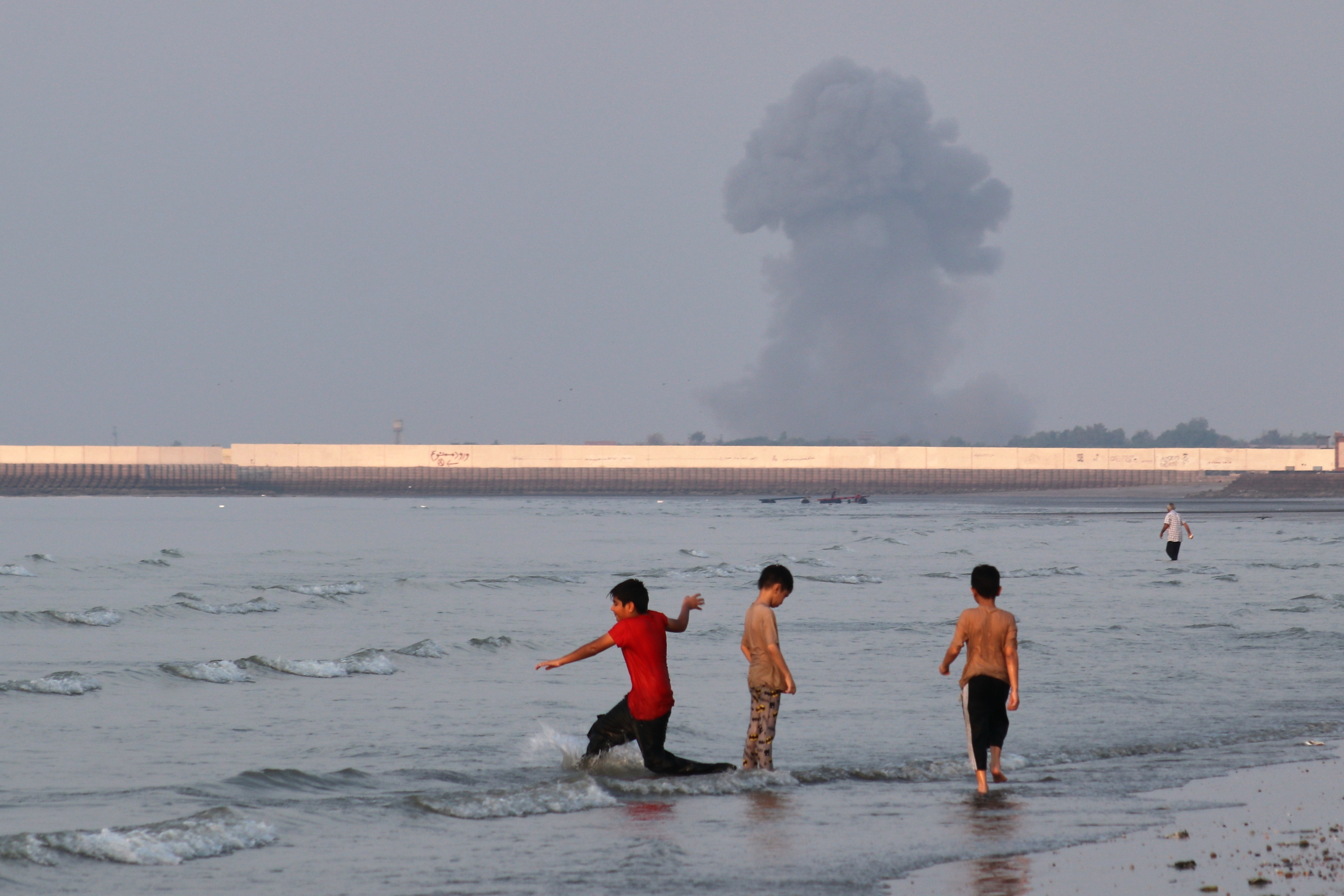
Iran's military chief has vowed that the country will kill one U.S. service member for every Iranian killed in the ongoing war. This statement was made on Friday, February 24th, amid escalating tensions. A spokesperson for the Iranian military asserted that the United States has deployed unprecedented weaponry against Iranian territory. General Abolfazl Shekarchi stated in an Iranian radio interview that Washington is mobilizing "all capabilities, all weapons, and all contingencies" stockpiled for a potential World War III against Iran. He claimed that weapons tested but never before used in conflict have been employed against the Islamic Republic, with U.S. strategic reserves now deployed. These declarations followed the 13th consecutive night of U.S. attacks on Iran, which reportedly included explosions on Qeshm Island, a naval asset base; Isfahan province, housing an airbase and nuclear test sites; Khuzistan province; and Fars province. U.S. attacks also struck a Revolutionary Guard naval base in northern Iran, according to semi-official news agencies Fars and ISNA on Friday. In retaliation, Iran launched an offensive against a military base housing U.S. forces in northern Iraq, with explosions reported in Erbil. Iran also claimed attacks on a U.S. Fifth Fleet observation tower in Bahrain and the Al-Adiri base in Kuwait. U.S. President Donald Trump indicated he is seriously considering massive retaliatory strikes against Iran, stating, "They haven't felt pain enough yet. I'm considering a massive strike. Bigger than any before." Trump also suggested Israel could participate if requested but stated the U.S. wouldn't need other allies. The conflict has reportedly cost the U.S. at least $37.5 billion, resulting in 18 American military deaths and over 450 wounded.
The escalating rhetoric and reciprocal military actions between Iran and the United States highlight a dangerous cycle of escalation, driven by perceived security threats and strategic deterrence. Iran's vow of proportional retaliation, framed as a response to perceived U.S. aggression and the deployment of novel weaponry, suggests a strategic calculus aimed at imposing costs on the U.S. military presence in the region. The U.S. response, characterized by significant military operations and the potential for "massive" retaliation, indicates a strategy focused on degrading Iran's military capabilities and deterring further attacks. Both nations appear to be operating within frameworks where demonstrating resolve and inflicting costs are paramount, potentially overlooking the systemic risks of miscalculation and unintended consequences. Future de-escalation will likely depend on the effectiveness of deterrence, the management of domestic political pressures, and the potential for third-party mediation to break the cycle of retribution.
AI-generated to prompt reflection — not editorial opinion, not advice, not a statement of fact. How this works.