Iran War and Berlin's Austerity Plans Fuel Solar Energy Boom
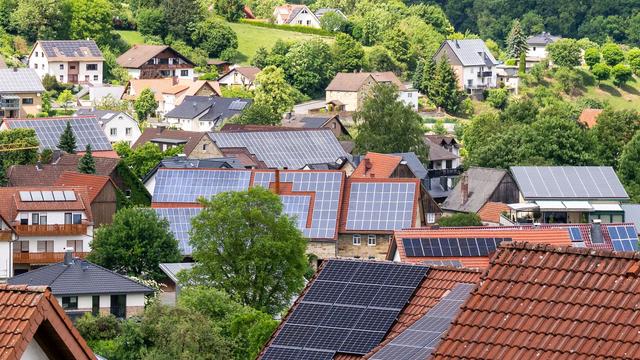
The ongoing conflict in Iran and austerity measures implemented by Berlin have significantly boosted the solar energy sector. This surge in solar adoption is a direct response to geopolitical instability and economic pressures impacting traditional energy supplies. As a result, both residential and commercial interest in solar power installations has dramatically increased.
This trend indicates a broader shift towards renewable energy sources, driven by a desire for greater energy independence and cost-effectiveness. The German government's austerity plans, while potentially causing short-term economic challenges, appear to be accelerating the transition to cleaner energy. The solar industry is experiencing unprecedented demand, with companies reporting record order intakes and expansion plans.
Experts suggest that this solar boom is likely to continue as long as global energy markets remain volatile and domestic economic policies favor renewables. The long-term implications include reduced reliance on fossil fuels, lower carbon emissions, and a more resilient energy infrastructure for Germany.
The confluence of geopolitical instability, exemplified by the Iran conflict's impact on global energy markets, and domestic austerity measures in Berlin has created a powerful incentive structure favoring solar energy adoption. This situation highlights how external shocks can accelerate internal policy shifts, pushing economies toward renewable energy transitions for reasons of both security and cost management. The accelerated demand for solar power suggests a potential recalibration of long-term energy strategies, moving away from volatile fossil fuel dependencies. This trend, viewed through the lens of the next decade, aligns with broader global decarbonization goals and the increasing economic viability of renewable technologies, potentially positioning Germany for greater energy resilience and reduced carbon emissions despite immediate fiscal constraints.
AI-generated to prompt reflection — not editorial opinion, not advice, not a statement of fact. How this works.