Iran War Exposes Brics+ as Neither Military Alliance Nor Ideological Bloc
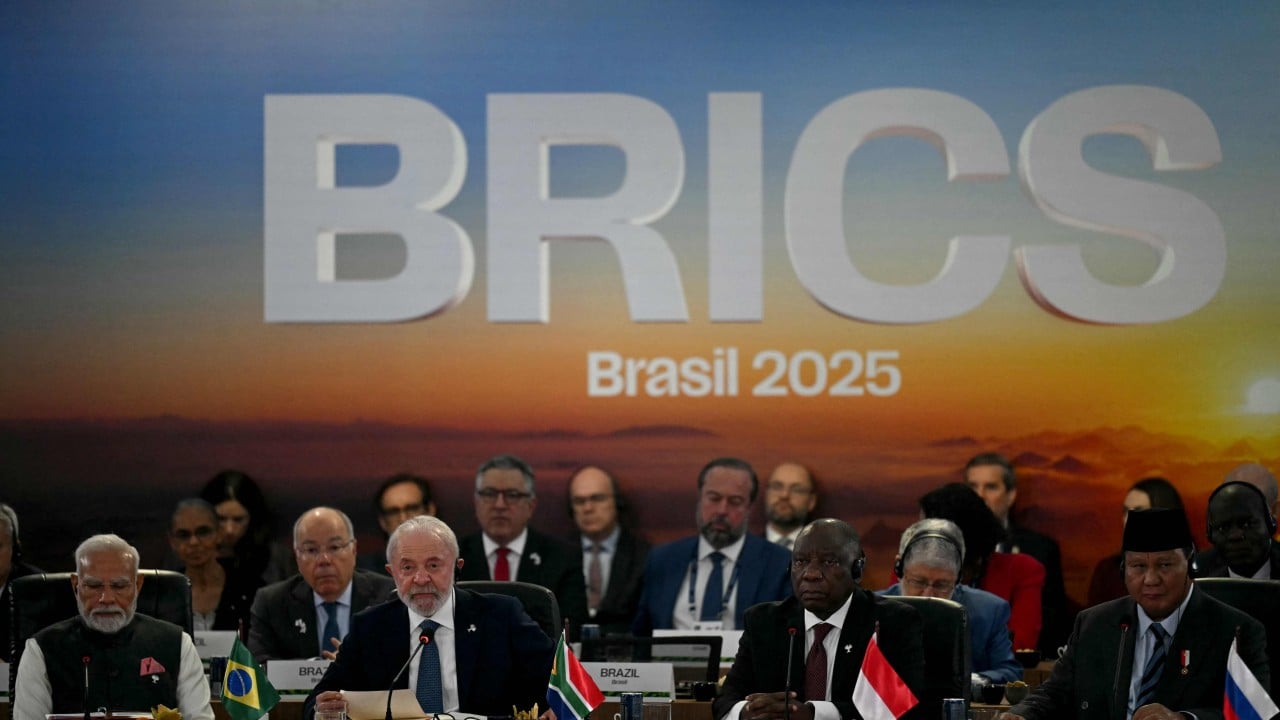
The recent US-Israeli military campaign against Iran served as a critical test for the expanded Brics+ group, often presented as a political platform for the Global South and a key element of a new multipolar world order. The conflict revealed that Brics+, which now includes more members than its original five nations (Brazil, Russia, India, China, and South Africa), does not function as a military alliance or an ideological bloc. Instead, the grouping's response, or lack thereof, highlighted its nature as a loose association of states with diverse interests. The war's impact on global dynamics and the Brics+ members' individual reactions provided insights into the group's current capabilities and limitations in addressing major geopolitical events. The event underscored the complexities of coordinating policy among a diverse set of nations with varying foreign policy objectives and geopolitical alignments. The outcome suggests that Brics+ is more of a forum for discussion and economic cooperation rather than a unified political or security entity. This distinction is crucial for understanding the group's role in the evolving international landscape. The conflict's aftermath will likely shape future strategies and expectations regarding the Brics+ initiative.
The Iran conflict's impact on Brics+ suggests the grouping's current structure prioritizes economic ties and diplomatic dialogue over unified geopolitical action. The absence of a cohesive Brics+ response indicates that diverse national interests and existing bilateral relationships, particularly with major global powers, supersede bloc solidarity in times of significant international tension. This dynamic points to a potential challenge for Brics+ in fulfilling its ambition as a counterweight to established international orders if it cannot develop mechanisms for coordinated foreign policy. Future developments may see Brics+ focusing on economic integration and infrastructure projects, where consensus is more readily achievable, rather than attempting to forge a common security or political stance. The grouping's evolution will likely depend on its ability to navigate these inherent contradictions between national sovereignty and collective influence in the coming decade.
AI-generated to prompt reflection — not editorial opinion, not advice, not a statement of fact. How this works.