Iran Warns Houthis to Block Red Sea Shipping If US Attacks Iran's Power Grid
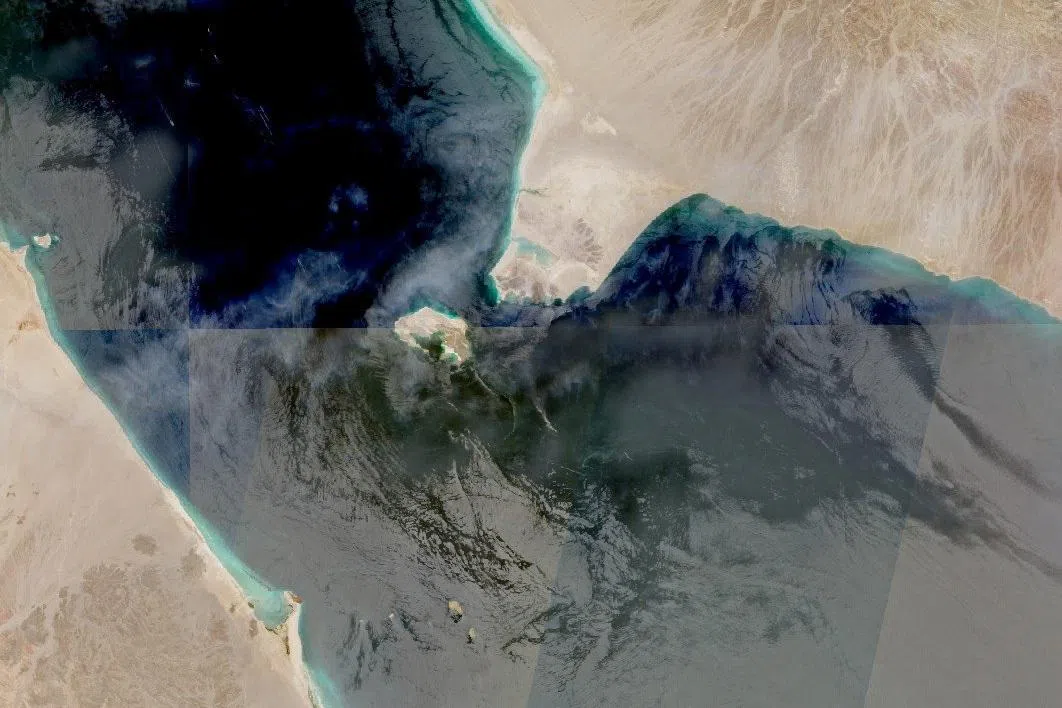
Sources indicate that Iran has instructed the Houthi movement in Yemen to close the Red Sea shipping route if the United States launches an attack on Iran's power network. This directive suggests a significant escalation strategy by Iran, aiming to leverage its proxies to inflict economic pressure on global trade in response to direct military action. The Houthis, reportedly, have finalized their readiness to disrupt maritime traffic, having deployed a range of missiles and drones for this purpose. This development highlights the complex geopolitical dynamics in the region, where non-state actors are being integrated into broader state-level strategic responses. The potential closure of the Red Sea, a vital global trade artery, could have severe economic repercussions worldwide, impacting supply chains and energy prices. The situation underscores the interconnectedness of regional conflicts and their potential to destabilize international commerce. The specific threat to Iran's power network as a trigger point indicates a calculated move to impose maximum damage on adversaries through asymmetric means. This preemptive warning serves as a clear signal of Iran's intent to retaliate through its allies if its infrastructure is targeted.
This reported Iranian directive to the Houthis illustrates a strategic use of proxy forces to exert influence and deter potential adversaries. By threatening to disrupt a critical global trade route like the Red Sea, Iran aims to impose significant economic costs on the US and its allies, thereby raising the stakes of any direct confrontation. This tactic leverages the Houthis' existing capabilities and their control over key maritime chokepoints. The potential economic fallout from such a blockade could create international pressure on the US to de-escalate. Looking ahead, such proxy-driven escalations highlight the evolving nature of geopolitical conflict, where state actors increasingly utilize non-state groups to project power and achieve strategic objectives without direct attribution, complicating diplomatic resolutions and increasing systemic risk in global commerce.
AI-generated to prompt reflection — not editorial opinion, not advice, not a statement of fact. How this works.