Iran Warns of Retaliation Against Other Nations' Energy Facilities If Attacked by US
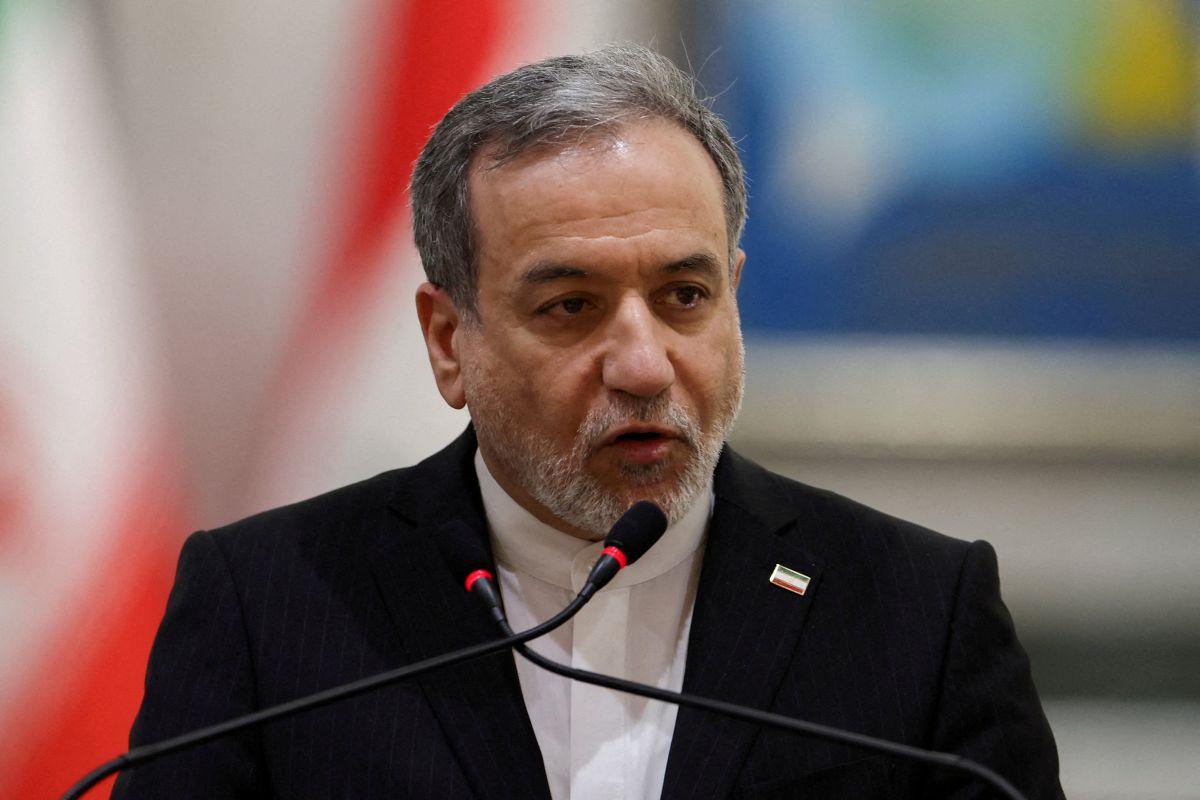
Iran issued a stern warning this weekend, cautioning against any "adventurous action" by the United States. The nation declared it would respond decisively should American forces proceed with President Donald Trump's threats of launching new attacks on Iranian targets. This statement signifies Iran's readiness to escalate the conflict beyond its own borders if provoked by further US military action. The warning implies that other nations' energy infrastructures could become targets in such a scenario. This geopolitical tension highlights the volatile nature of US-Iran relations and the potential for wider regional instability.
This statement from Iran reflects a strategic deterrence posture, signaling a willingness to employ asymmetric responses if subjected to further military aggression. The threat to target other nations' energy fields, if carried out, could have significant global economic repercussions, impacting energy markets and international supply chains. Such an escalation would also test the alliances and security commitments between the US and its partners in the region. The underlying incentive structure for Iran appears to be the prevention of direct military strikes by the US, leveraging the potential for widespread disruption as a countermeasure. This dynamic underscores the complex geopolitical calculus involved in managing interstate conflict, where the perceived cost of aggression can be amplified through indirect threats.
AI-generated to prompt reflection — not editorial opinion, not advice, not a statement of fact. How this works.