Iran Warns Strait of Hormuz Will Remain Closed If US Intervenes
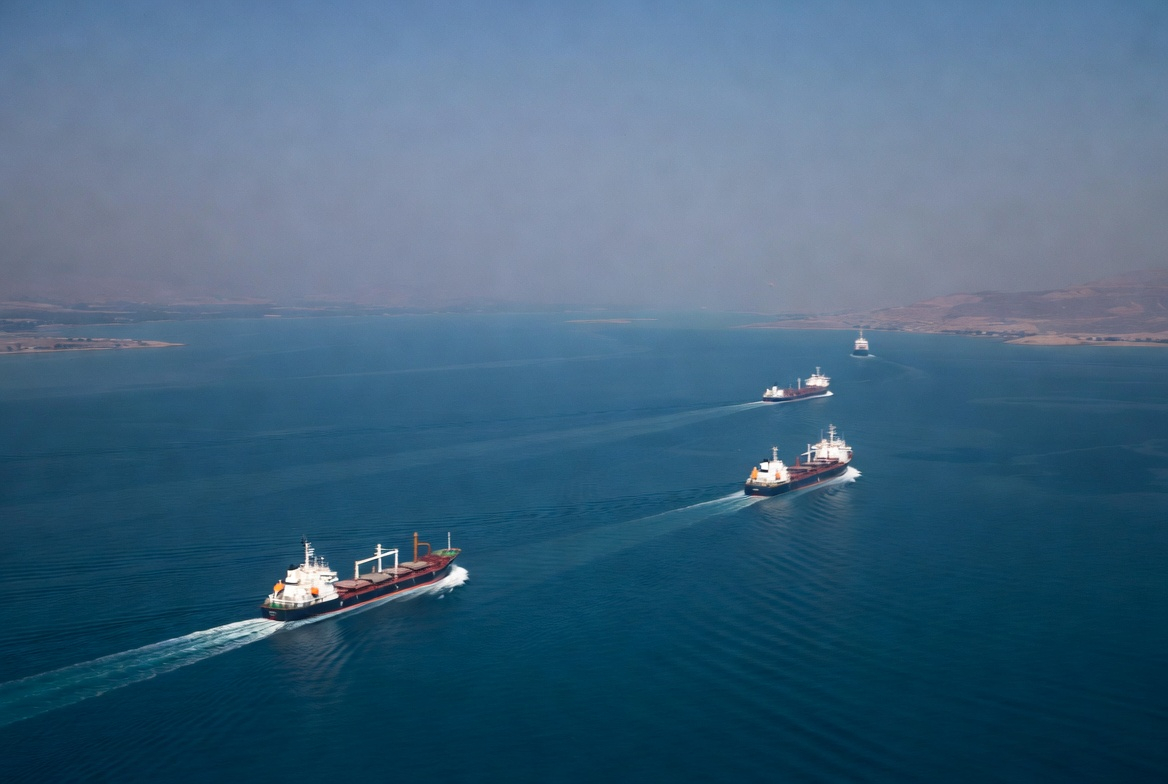
The Islamic Revolutionary Guard Corps (IRGC), also known as SEPAH, has issued a strong warning regarding the Strait of Hormuz. The IRGC stated that if the United States intervenes, the vital waterway will not be opened. This declaration highlights the strategic importance of the Strait of Hormuz and Iran's readiness to control access to it. The IRGC's statement underscores the potential for significant disruption to global oil supplies should tensions escalate. The warning implies a firm stance by Iran to leverage its control over the strait as a geopolitical tool. The specific nature of the potential "intervention" by the US was not detailed, but the IRGC's message is clear: any perceived interference will result in the closure of this critical maritime chokepoint. This assertion comes amid ongoing geopolitical tensions in the region.
The IRGC's declaration regarding the Strait of Hormuz frames a potential geopolitical standoff, leveraging control over a critical global energy chokepoint. This strategy, if enacted, would have immediate and severe repercussions on global energy markets and international trade, potentially triggering significant price volatility and supply chain disruptions. From a systems perspective, such actions highlight the inherent vulnerabilities of concentrated global infrastructure and the asymmetric power dynamics that can emerge when states control vital transit routes. The long-term implications involve incentivizing diversification of energy sources and supply routes by nations heavily reliant on this passage, potentially accelerating investments in alternative infrastructure and technologies. This event underscores the ongoing tension between national sovereignty claims and the global commons, particularly in strategic maritime zones.
AI-generated to prompt reflection — not editorial opinion, not advice, not a statement of fact. How this works.