Iran Will Not Agree to IAEA's Request, Says Baghaei
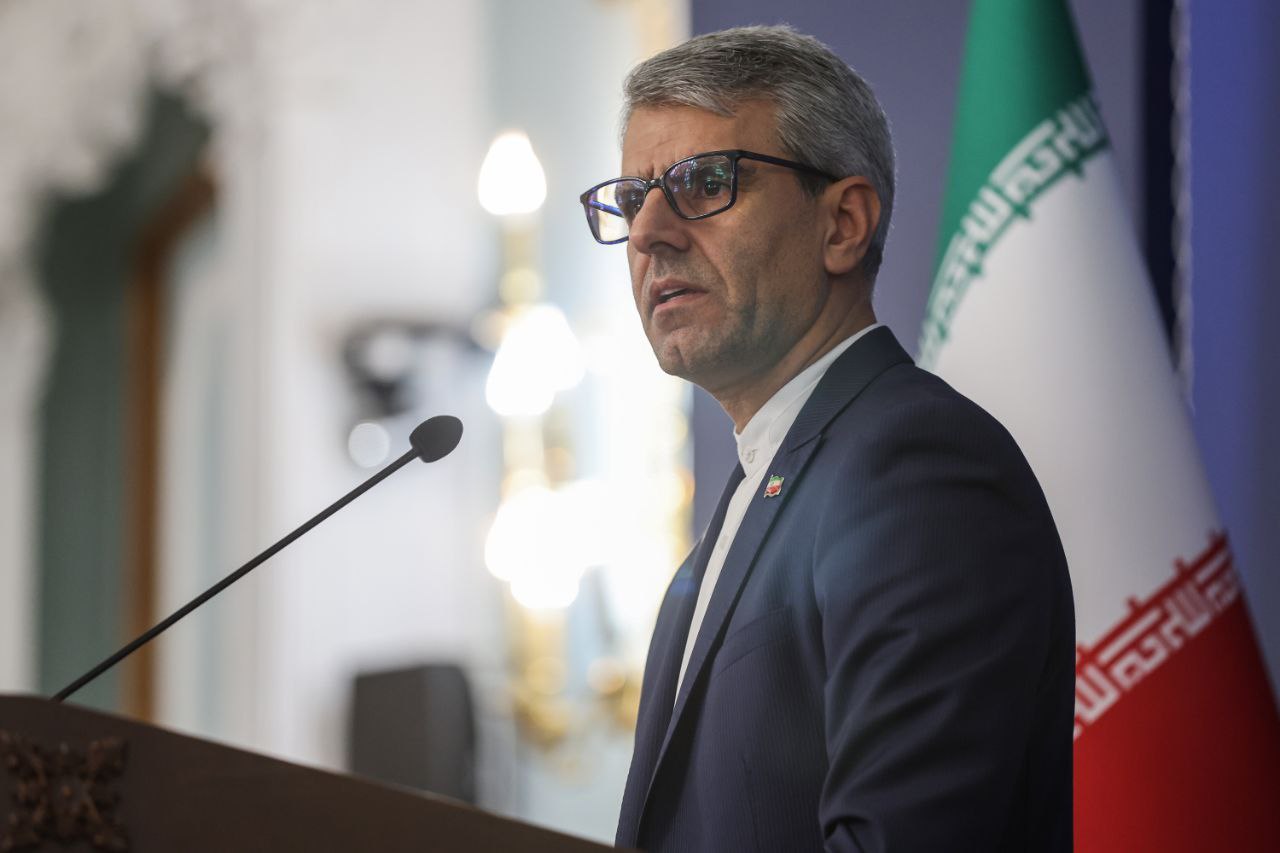
Hossein Baghaei, Iran's representative to the International Atomic Energy Agency (IAEA), stated that Iran will not comply with a request made by the agency. The specifics of the IAEA's request were not detailed in the provided information. Baghaei's statement indicates a potential point of contention between Iran and the international nuclear watchdog. This development could have implications for ongoing nuclear negotiations and Iran's adherence to international atomic energy standards. The IAEA has been monitoring Iran's nuclear program for years, with various international bodies expressing concerns about its potential for military applications. Iran has consistently maintained that its nuclear program is for peaceful purposes. The outcome of this disagreement could influence future inspections and the broader geopolitical landscape surrounding Iran's nuclear activities.
This assertion by Iran's IAEA representative signals a potential divergence in interpretation or compliance regarding nuclear safeguards. From a systemic perspective, such disagreements often stem from differing national security priorities versus international transparency obligations. The incentive structure for Iran may involve maintaining strategic ambiguity or asserting sovereignty over its domestic nuclear program, while the IAEA's mandate is to ensure non-proliferation and peaceful use of nuclear technology globally. Future interactions will likely hinge on diplomatic engagement to bridge this gap, potentially involving revised protocols or clearer communication channels to manage expectations and prevent escalation. The long-term implications could affect the trajectory of international nuclear diplomacy and the effectiveness of global non-proliferation regimes.
AI-generated to prompt reflection — not editorial opinion, not advice, not a statement of fact. How this works.