Iranian rapper Tomaj Salehi describes daily practice for execution
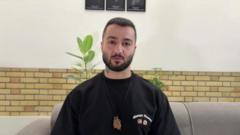
Iranian rapper Tomaj Salehi has spoken about his experiences with arrest, imprisonment, and an execution sentence in an interview with BBC Persian's Farnaz Ghazi Zadeh. During the "Special Interview" program, Salehi detailed the psychological toll of facing potential execution, revealing that he practiced daily to avoid showing weakness. He also discussed the broader issues of increasing executions and pressure on political prisoners in Iran. Salehi noted a rise in repression following the war and emphasized the importance of supporting political prisoners. Additionally, he highlighted a social media campaign he has initiated to advocate for these individuals.
Tomaj Salehi's account sheds light on the severe pressures faced by political dissidents within Iran's justice system. The reported daily practice for execution underscores the psychological warfare employed, potentially aimed at deterring future dissent through extreme fear. This situation highlights a critical tension between state control mechanisms and the fundamental human right to freedom of expression. As Iran navigates its geopolitical landscape, the internal dynamics of repression and resistance, particularly concerning artists and activists, will continue to shape its societal trajectory over the next decade. International attention and solidarity campaigns, as Salehi's own initiative suggests, play a crucial role in mitigating such pressures and advocating for systemic reform.
AI-generated to prompt reflection — not editorial opinion, not advice, not a statement of fact. How this works.