Iranian rapper Tomaj Salehi describes daily practice for execution to avoid showing weakness
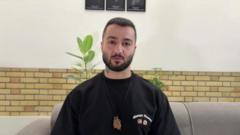
Iranian rapper Tomaj Salehi has spoken about his experiences of arrest, imprisonment, and facing an execution sentence in an interview with Farnaz Ghazi-zadeh on BBC Persian's "Special Conversation" program. He detailed how he practiced daily for the moment of his execution, determined not to show any weakness. Salehi also discussed the rising number of executions and the pressure on political prisoners in Iran. He noted an increase in repression within the country following the war. Furthermore, he highlighted the importance of supporting political prisoners and mentioned a campaign he has launched on social media to raise awareness and garner support for this cause.
Tomaj Salehi's account sheds light on the severe psychological toll exacted by the Iranian justice system on political detainees. The reported daily practice for an execution suggests a deliberate strategy to maintain internal fortitude under extreme duress, a tactic that may serve as a coping mechanism against state-imposed psychological warfare. This situation underscores the broader systemic issue of escalating state repression and the use of capital punishment as a tool to suppress dissent. The international attention, amplified by social media campaigns, presents a complex dynamic where public pressure can influence state actions, yet the underlying governance structures remain resistant to fundamental reform. The long-term implications involve the potential for increased artistic and social activism as a response to such severe state overreach, while simultaneously risking further crackdowns.
AI-generated to prompt reflection — not editorial opinion, not advice, not a statement of fact. How this works.