Iranians Fed Up as War Strengthens Regime, Damages Economy, Interviewer Reports
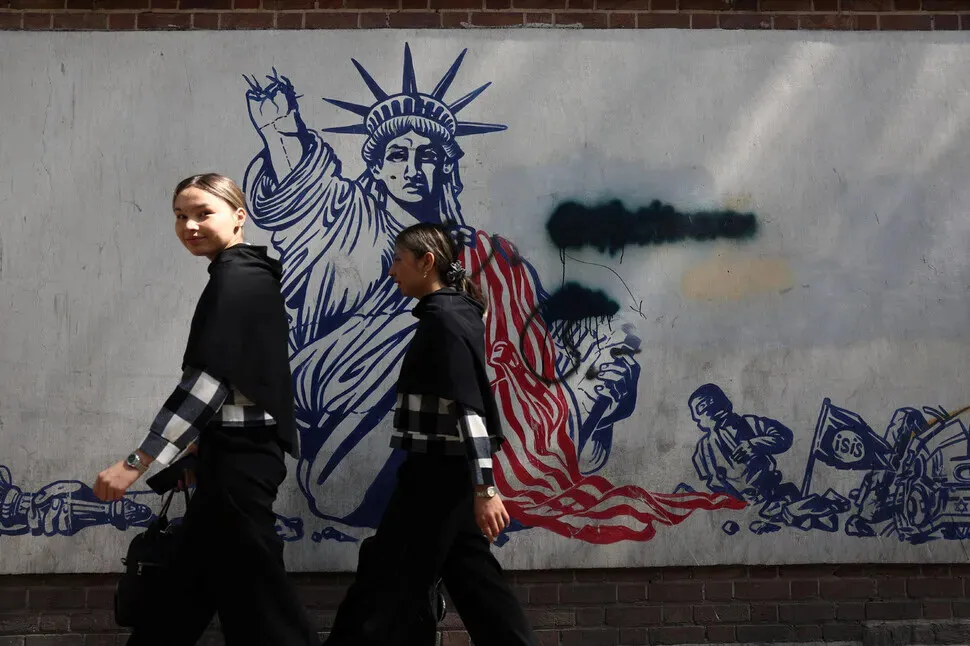
An interviewer reports that Iranians are expressing deep fatigue and dissatisfaction, largely due to the ongoing war which has paradoxically emboldened the ruling regime while simultaneously devastating the nation's economy. This sentiment suggests a growing internal pressure on the government, fueled by economic hardship and a perceived lack of positive change. The war's impact appears to be a double-edged sword, reinforcing the regime's grip on power through external conflict while exacerbating the domestic economic crisis. This situation highlights the complex interplay between international relations and internal political stability, as economic strain often translates into public discontent. The interview suggests a populace weary of prolonged conflict and its severe economic consequences, potentially leading to increased calls for reform or change.
The reported sentiment among Iranians indicates a critical juncture where external conflict appears to be reinforcing internal authoritarian control, even as it inflicts severe economic damage. This dynamic presents a classic governance challenge: how a regime leverages geopolitical events to consolidate power, potentially at the expense of its populace's economic well-being. From a systems perspective, the long-term sustainability of such a strategy is questionable, as prolonged economic distress can erode social cohesion and eventually challenge state legitimacy. Future trends in information dissemination and public organization may offer new avenues for citizens to express dissent, regardless of regime efforts to suppress it. The economic fallout from war, particularly in a globalized era, often creates ripple effects that can undermine even seemingly entrenched power structures over time.
AI-generated to prompt reflection — not editorial opinion, not advice, not a statement of fact. How this works.